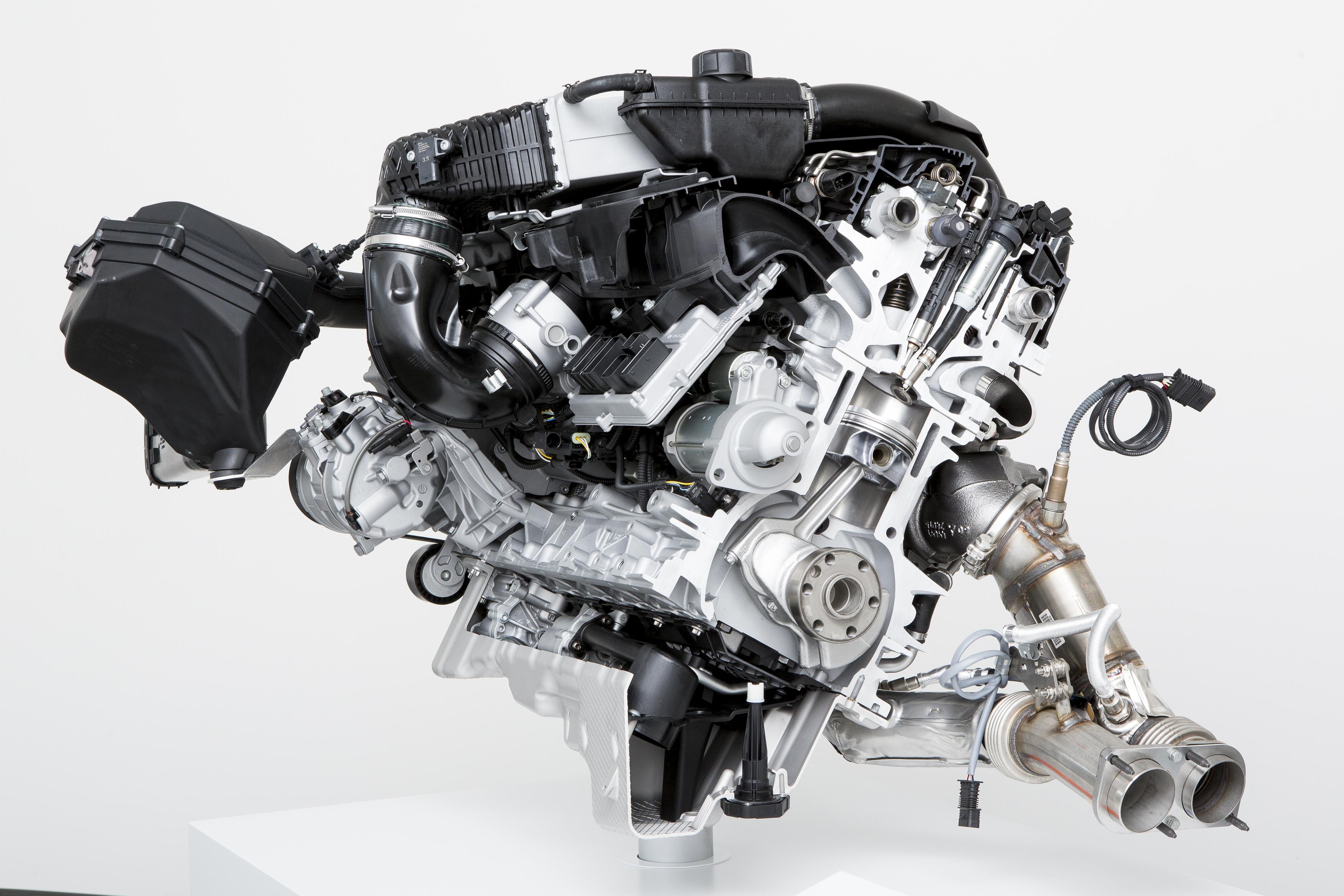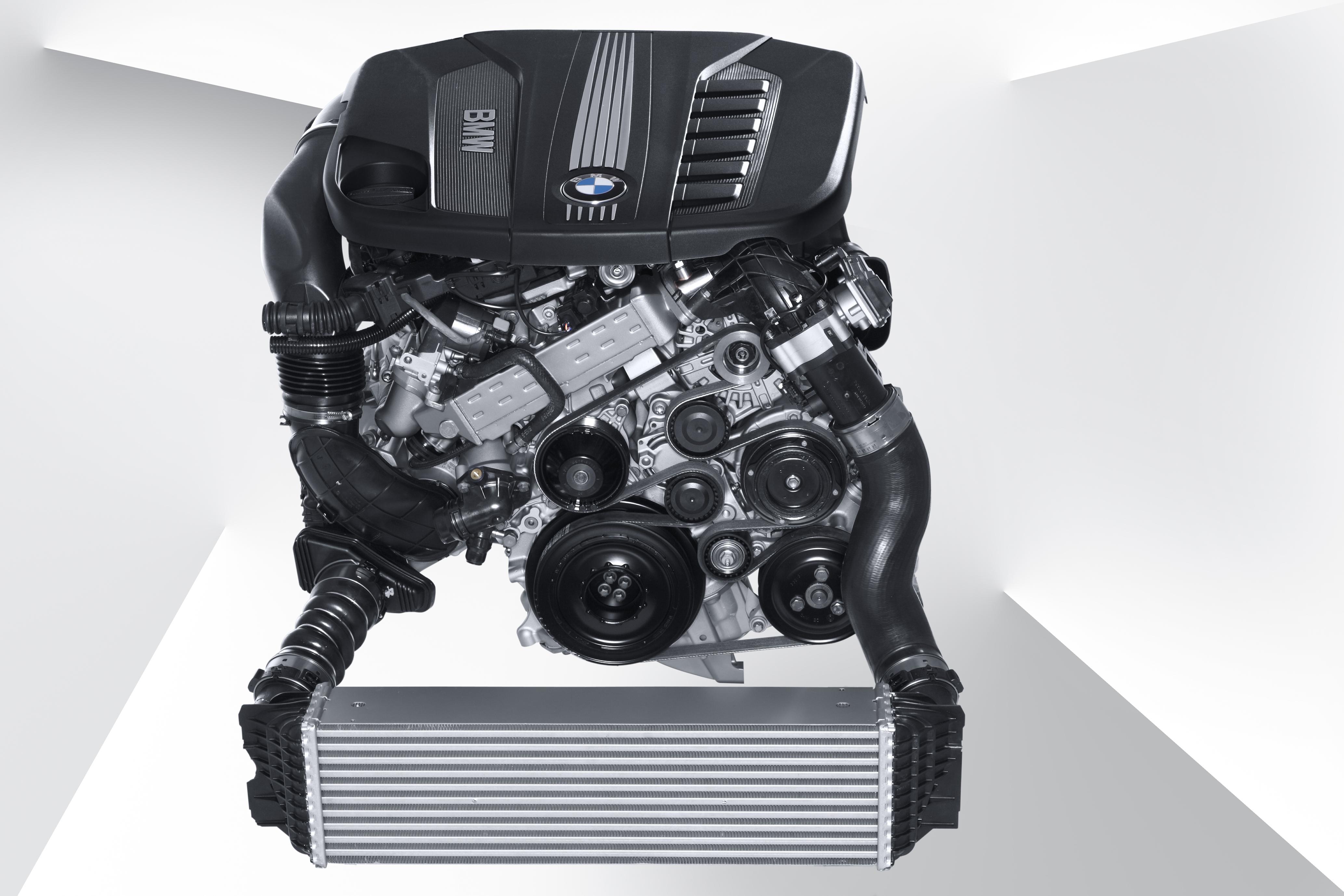
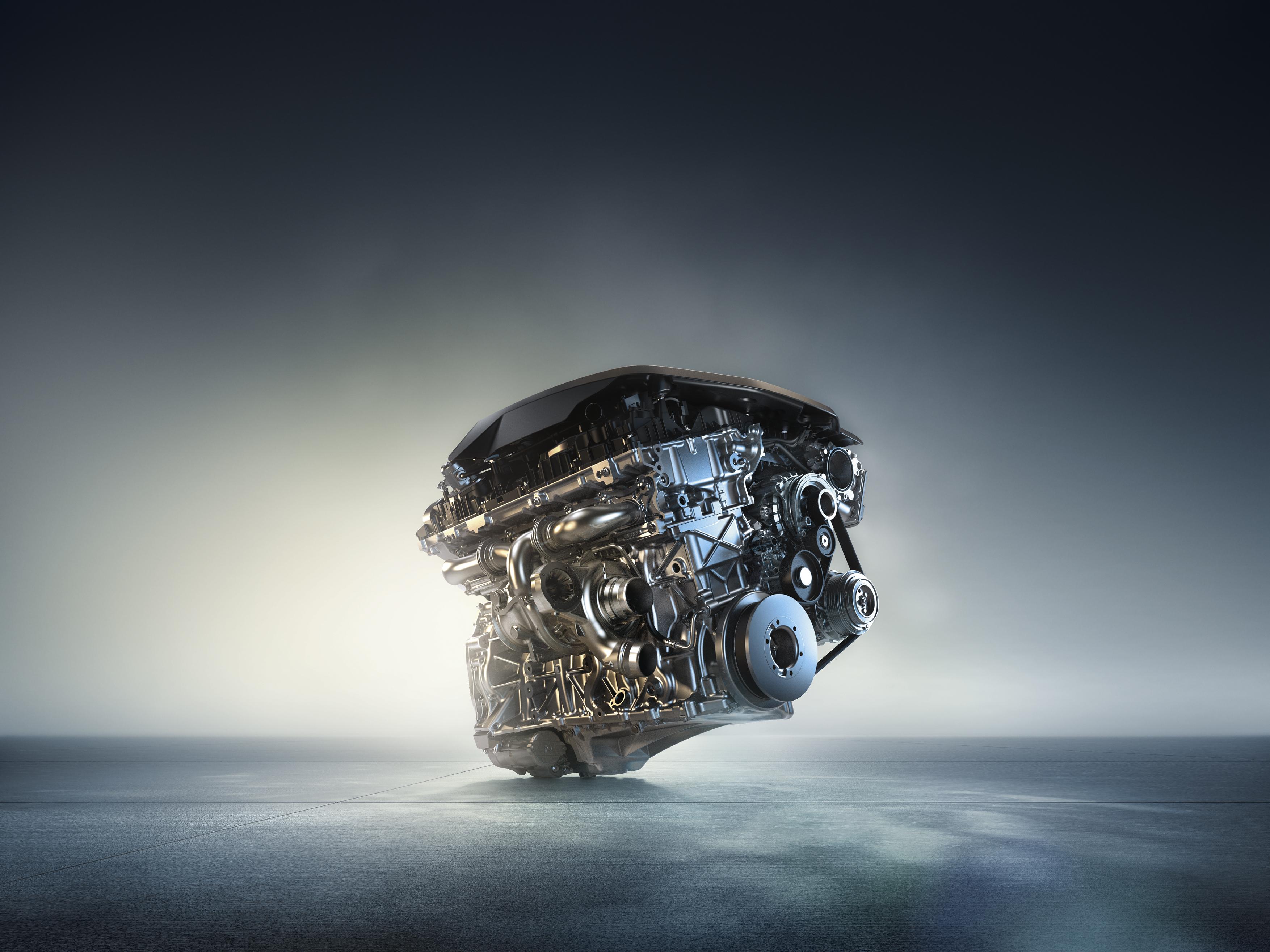
BMW engine names can look more complicated than the cars themselves. B48, B58, N47, N55, N57, S55 and S58 are not random enthusiast jargon: they identify engine families that can completely change the reliability, performance and ownership cost of two BMWs wearing similar badges.
This is the central hub of our BMW Engines cluster. Use it to understand BMW engine codes first, then move into the dedicated reliability and buying guides for each important engine family.
BMW engine families at a glance
| Engine | Type | Known for |
|---|---|---|
| B48 | Turbo petrol inline-four | Modern 20i/30i applications |
| B58 | Turbo petrol inline-six | 40i models and strong tuning potential |
| B47 | Turbo diesel inline-four | Modern 18d/20d applications |
| N47 | Turbo diesel inline-four | Older BMW diesels and timing-chain discussion |
| N55 | Turbo petrol inline-six | 335i, 435i and earlier performance BMWs |
| N57 | Turbo diesel inline-six | 30d/35d/40d torque and long-distance use |
| S55 | BMW M turbo inline-six | F80 M3 and F82 M4 era |
| S58 | BMW M turbo inline-six | G80 M3, G82 M4 and modern M cars |
What does the first letter mean?
The letter identifies an engine family or development generation rather than vehicle size. BMW's older N-series engines include N47, N55 and N57. The later modular B-series includes engines such as B47, B48 and B58. BMW M engines often use an S designation, including S55 and S58.
For the full decoding system, including why one model badge can contain several different engines depending on year, read our BMW engine codes explained guide.
B48: BMW's modern four-cylinder petrol workhorse
The B48 is a turbocharged petrol four-cylinder used across a wide range of BMW vehicles. It is commonly associated with models carrying badges such as 20i and 30i, although exact output and specification vary by vehicle and market.
For a used buyer, the B48 is attractive because it offers good performance without requiring a six-cylinder engine. Reliability still depends on cooling-system condition, oil leaks, service intervals and whether the car has been modified.
See our dedicated BMW B48 reliability and common problems guide.
B58: the modern BMW inline-six everyone talks about
The B58 is one of BMW's most important modern petrol engines. It appears in numerous 40i models and has become particularly popular because it combines smooth straight-six operation, strong factory output and substantial tuning potential.
Popularity creates one major used-car problem: many B58-powered cars have been remapped. A good engine design does not protect you from poor fuel, excessive boost, neglected servicing or badly installed modifications.
Before buying a 340i, M340i, 540i, X3 M40i or X5 40i, read our BMW B58 reliability guide.
N55: the engine before B58
The N55 is a turbocharged inline-six found in many BMW models from the previous generation. It represented an important step in BMW's turbocharged six-cylinder development and powered vehicles including 335i, 435i and various 35i models.
Buyers commonly compare it with the newer B58. Our N55 vs B58 comparison covers reliability, technology, tuning and used-car considerations.
N47 and B47 diesel engines
N47 is an older four-cylinder BMW diesel family frequently discussed because of timing-chain concerns on certain applications. B47 succeeded it as part of BMW's newer modular engine generation.
If you are considering an older 18d or 20d, read BMW N47 timing-chain and reliability guide. For newer diesel cars, use our BMW B47 reliability, DPF and EGR guide.
N57: BMW's six-cylinder diesel
The N57 is a six-cylinder diesel family associated with strong torque and long-distance BMWs. Versions appeared across sedans and SUVs, often under 30d, 35d or 40d-type badges depending on generation and market.
The engine itself is only one part of diesel ownership. DPF, EGR, turbocharger systems, intake deposits and emissions hardware all need consideration. Read our BMW N57 reliability guide.
S55 and S58: BMW M engines
The S55 powered turbocharged F-generation M cars such as the F80 M3 and F82 M4. The S58 represents the newer high-performance six-cylinder family used in later BMW M products.
These engines should not be evaluated using the same ownership assumptions as a regular 320i or 530i. Track use, tuning, cooling, oil temperature, brake wear and maintenance quality matter much more.
See BMW S55 vs S58.
Which BMW engines are strongest used-car starting points?
For modern petrol BMWs, B48 and B58 cars are logical places to begin researching. For drivers covering sustained motorway mileage, B47 and six-cylinder diesels can also make sense when the emissions system has had the right usage pattern.
Our separate most reliable BMW engines guide explains which engine families deserve attention and, equally importantly, why no engine should be bought on reputation alone.
BMW engine buying checklist
- Confirm the exact engine code using VIN and production data.
- See the engine start completely cold.
- Check coolant level and evidence of leaks.
- Inspect for oil leaks.
- Scan the car with BMW-capable diagnostic software.
- Ask whether the ECU has ever been remapped.
- Review service invoices.
- For diesels, check DPF, EGR and SCR/AdBlue history where applicable.
- For performance engines, inspect cooling and modification history.
Why exact engine identification matters
A badge such as 320d, 330i or 535d does not tell the complete story. BMW changed engines during model generations and different markets sometimes received different specifications. For parts, maintenance and reliability research, always use VIN, production date and exact engine code.
Continue the BMW Engines cluster

Leave a comment
Your email address will not be published. Required fields are marked *