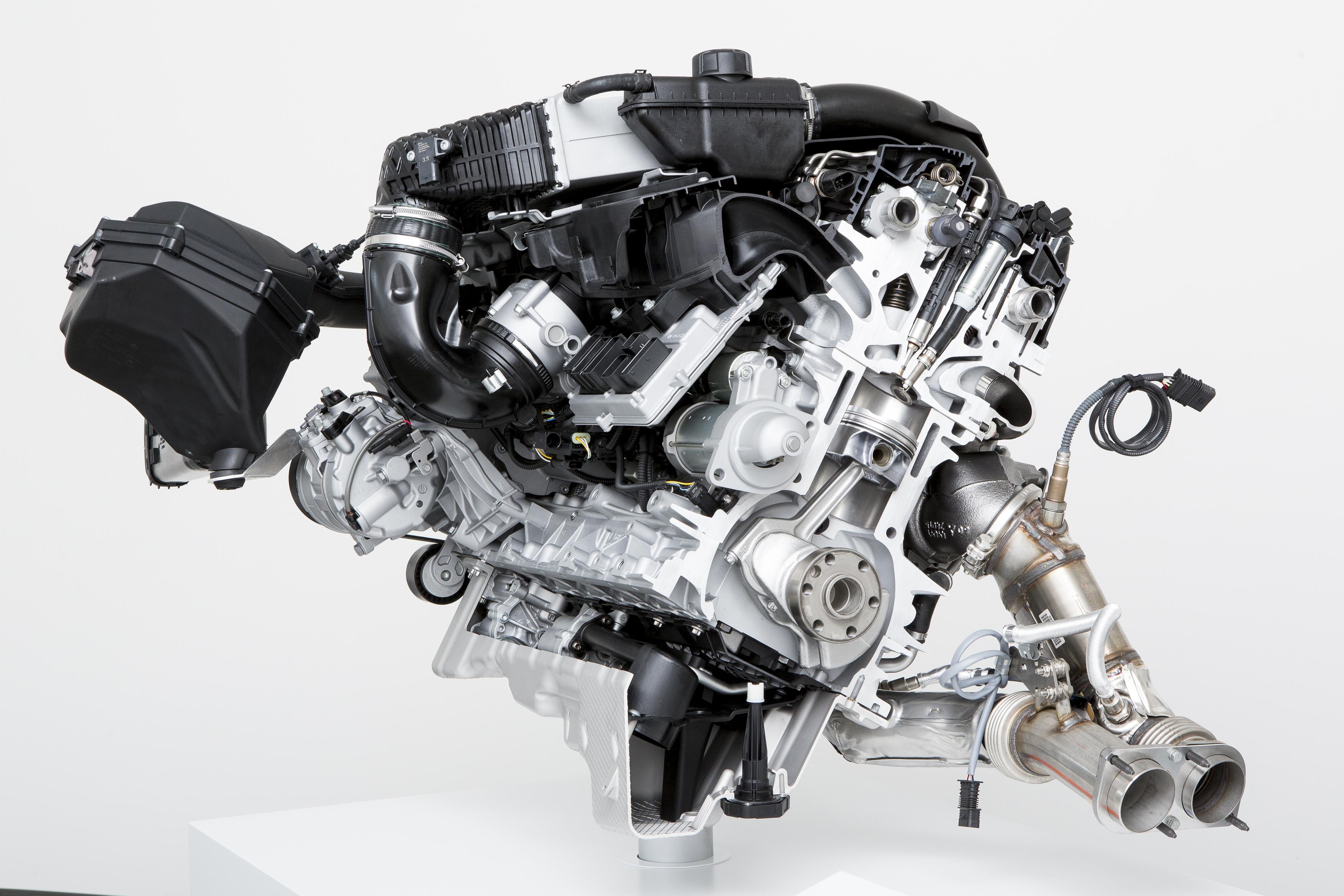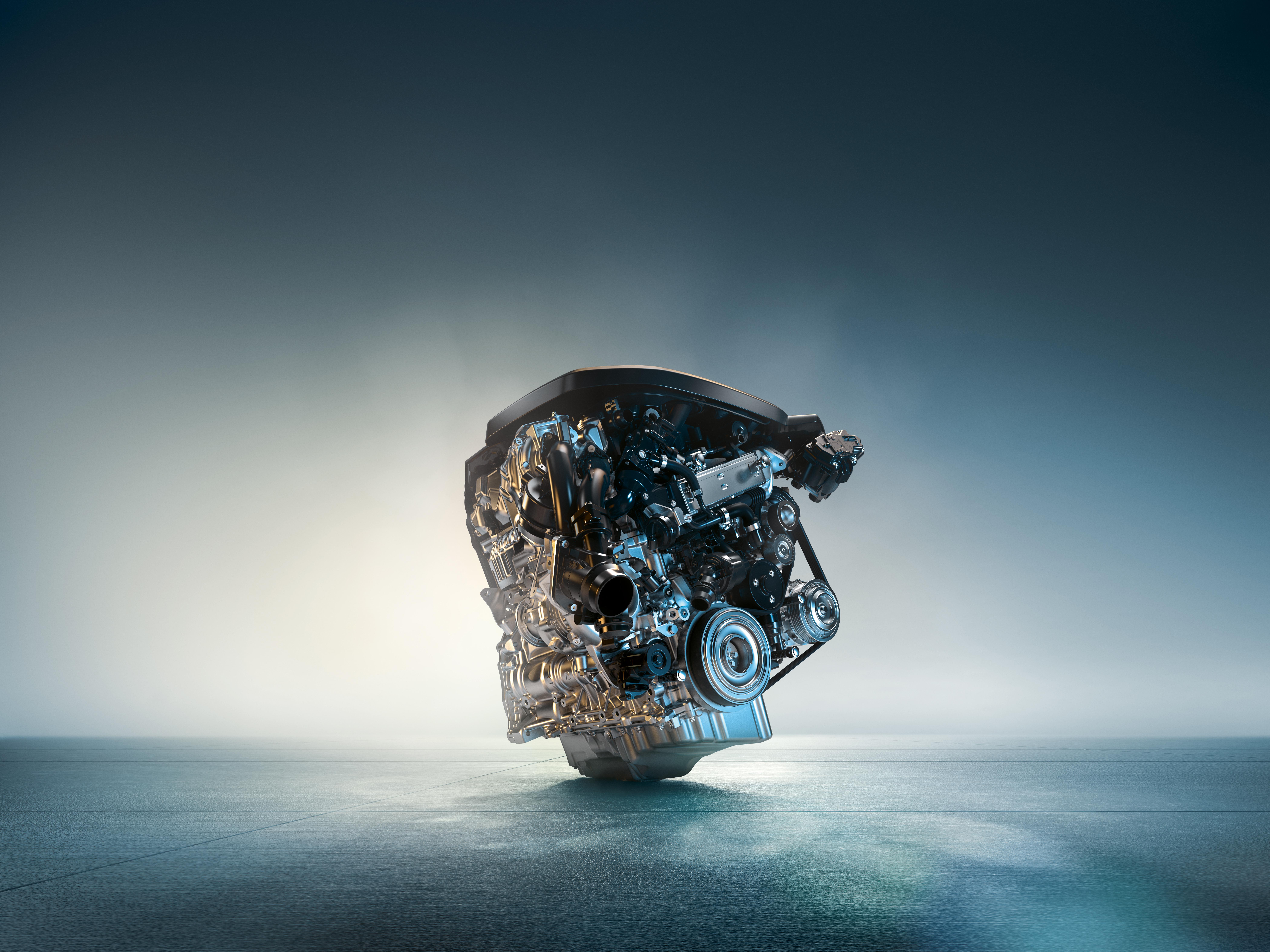
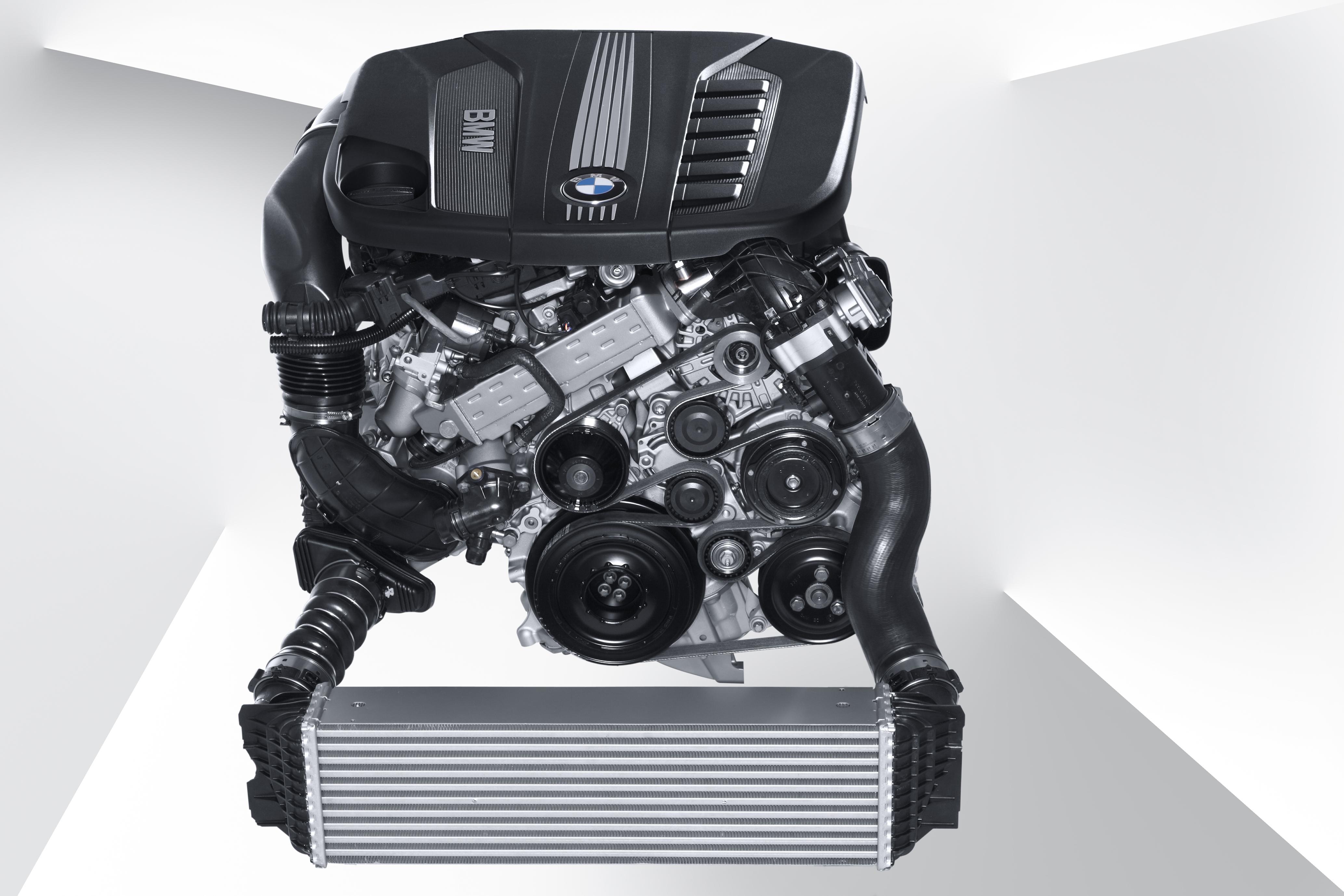
The BMW N57 is the engine behind some of the most appealing diesel BMWs of its era. A turbocharged inline-six diesel combines the smoothness BMW owners expect from a straight-six with the torque and long-distance economy that made 30d and higher-output diesel models so popular in Europe.
It is also an engine family where the exact version matters. Different applications used different turbocharging and output configurations, so a generic N57 reliability statement can only take you so far.
What is the BMW N57?
N57 is BMW's six-cylinder turbo-diesel engine family used across several sedans and SUVs. Applications vary by year and market and include multiple output levels.
Why people like N57 BMWs
- Strong low-rpm torque
- Smooth inline-six character
- Excellent motorway performance
- Good fuel economy for vehicle performance
- Availability in large sedans and SUVs
Is the N57 reliable?
A properly maintained N57 can cover substantial mileage, but a neglected six-cylinder diesel can be expensive. The main buying mistake is focusing exclusively on the core engine while ignoring turbochargers, emissions systems, intake condition and drivetrain hardware.
1. DPF condition
Understand the car's usage history. Long-distance driving is generally better suited to DPF regeneration than repeated short journeys.
Check differential-pressure and soot-related diagnostic data rather than relying on the absence of a dashboard warning.
2. EGR system
EGR issues can create warning lights, drivability problems and emissions faults. Check VIN-specific repair or campaign history and scan the system properly.
3. Intake deposits
Diesel intake systems can accumulate contamination over time. Symptoms can overlap with sensor, EGR and boost problems, so inspect and diagnose rather than assuming.
4. Turbocharger configuration
N57 variants can differ significantly in turbocharger arrangement and output. Higher-output versions can contain more hardware and therefore more potential repair cost.
Identify the exact engine variant before comparing repair estimates or parts.
5. Oil leaks
Inspect around accessible gasket areas and underneath the car. High mileage itself is not the problem; unresolved leaks and poor maintenance are.
6. Cooling system
Check coolant level and evidence of leaks. An unexplained history of repeated coolant top-ups deserves diagnosis.
7. Swirl, intake and emissions hardware
Do not rely on internet lists to order parts. A BMW diagnostic scan combined with physical inspection is much more valuable on a complex diesel.
N57 pre-purchase checklist
| Check | Why |
|---|---|
| Exact engine variant | Turbo and output configuration differs |
| DPF data | Reveals emissions-system condition |
| EGR history | Common diesel inspection area |
| Turbo boost | Higher-output versions can be complex |
| Oil leaks | Can become expensive if ignored |
| Coolant | Detect unexplained loss |
| Diagnostics | Check stored faults across modules |
N57 vs B57
The later B57 belongs to BMW's newer modular B-engine generation. If your budget allows both generations, compare the entire vehicle rather than engine age alone because newer cars can contain additional emissions and electronic complexity.
N57 vs four-cylinder diesel
The six-cylinder engine generally provides a smoother and stronger driving experience, but fuel economy and maintenance cost can favor a simpler four-cylinder for drivers who do not need the extra performance.
Who should buy an N57 BMW?
Someone covering regular long-distance mileage who values torque and refinement can make a strong case for it. A buyer doing short city journeys should consider whether a modern diesel of any type is the right tool.
Verdict
The N57 can be an excellent engine in the correct car with strong maintenance history. The more powerful and complex the variant, the more important pre-purchase diagnostics become.
Compare other diesels in our BMW B47 guide and N47 guide, or return to BMW Engines Explained.

Leave a comment
Your email address will not be published. Required fields are marked *