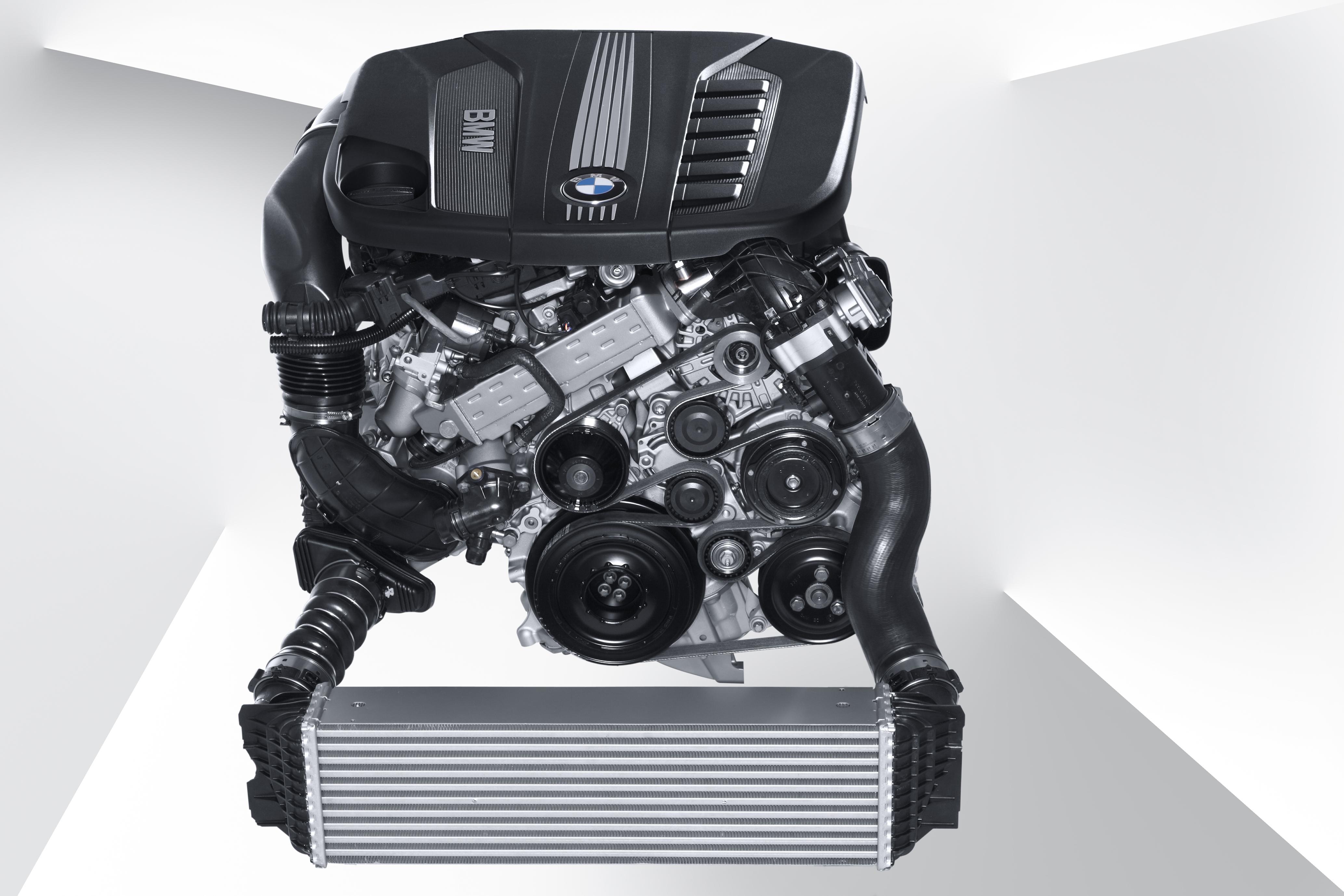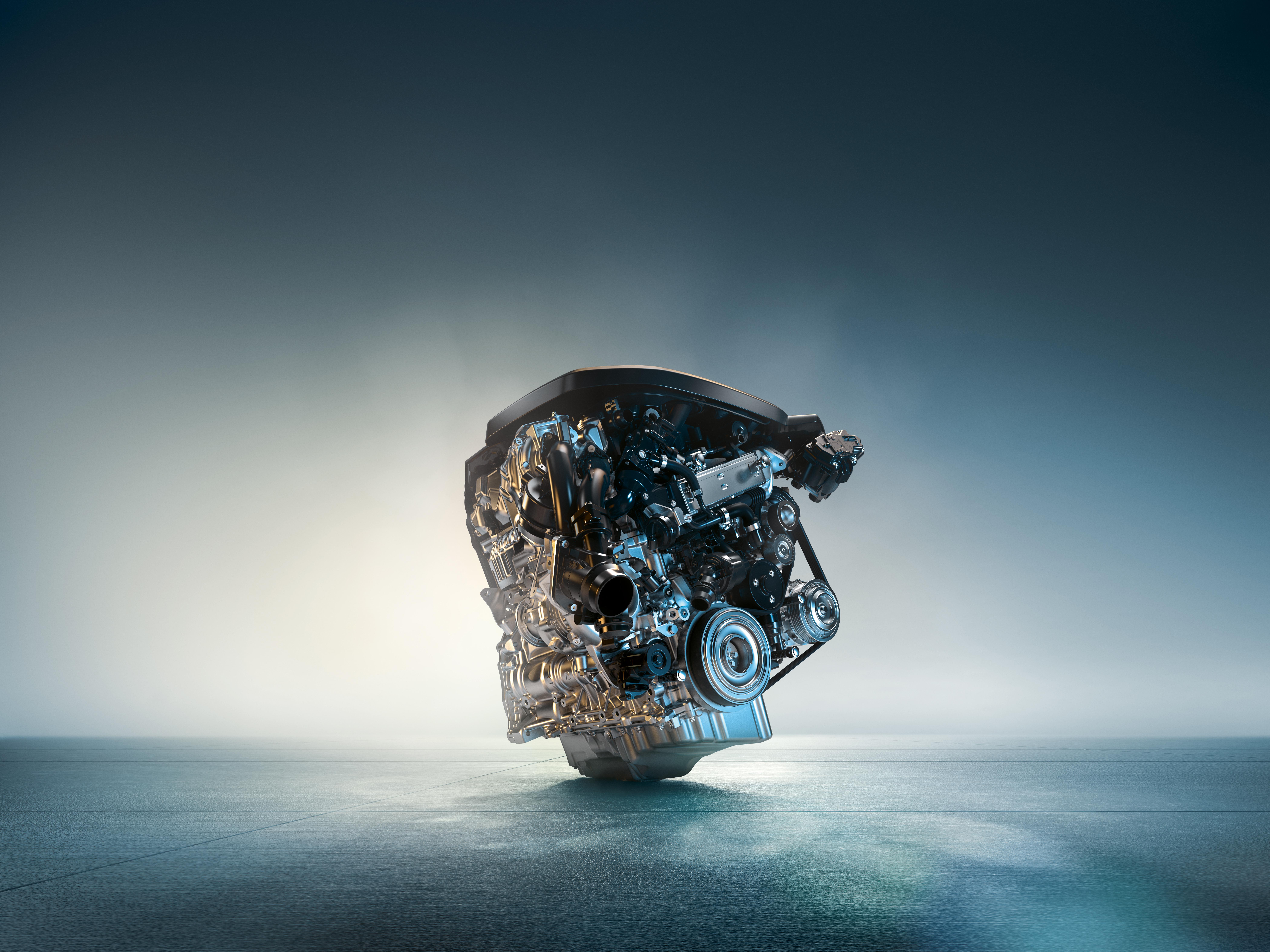
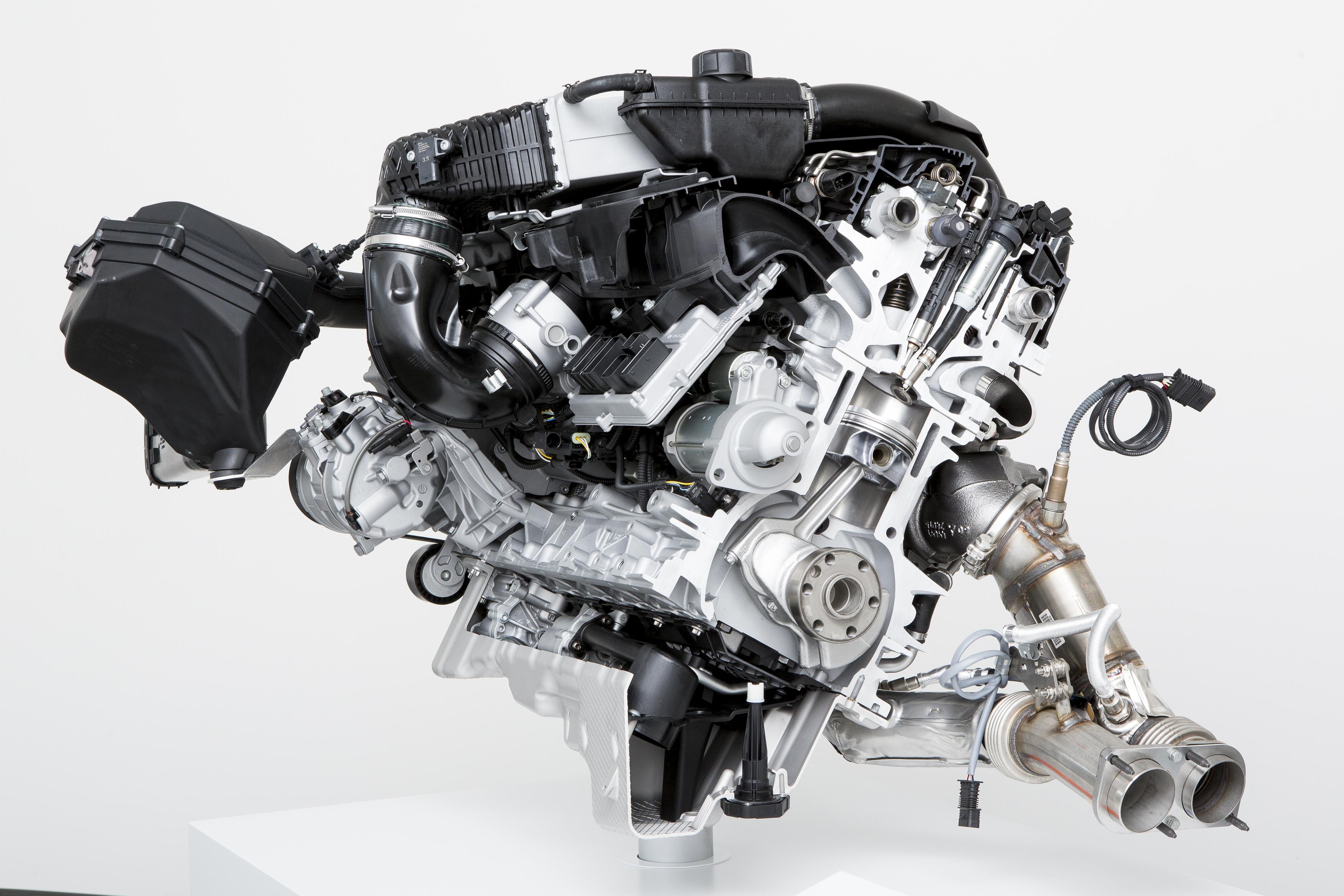
BMW S55 vs S58 is more than old M3 engine versus new M3 engine. These turbocharged inline-six engines represent two generations of BMW M development and sit inside cars with very different chassis technology, transmissions, cooling systems and performance limits.
Quick answer
The S55 makes sense when you want the F80/F82 generation and a lower entry price. The S58 belongs to the newer generation and offers substantially newer vehicle architecture and enormous performance potential.
Neither should be bought casually. These are high-performance engines living in cars that may have been tracked, tuned or repeatedly launched.
What is the S55?
The S55 is the turbocharged inline-six BMW M engine associated most strongly with the F80 M3 and F82/F83 M4 generation, along with selected other M applications.
What is the S58?
The S58 is the later BMW M turbocharged inline-six used across newer M models including G-generation M3 and M4 applications and performance SUVs.
S55 vs S58 comparison
| Area | S55 | S58 |
|---|---|---|
| Generation | F-generation BMW M | Newer G-generation BMW M |
| Layout | Turbo inline-six | Turbo inline-six |
| Used purchase price | Generally lower | Generally higher |
| Tuning market | Large | Very large |
| Vehicle electronics | Older architecture | Newer and more complex |
Reliability: the wrong question?
On an M car, asking only whether the engine family is reliable misses the biggest variable: how the vehicle was used.
An engine with proper warm-up, frequent oil service and conservative use lives a different life from one subjected to repeated track sessions and aggressive tuning.
S55 buying concerns
- Previous ECU tuning
- Track-use history
- Cooling-system condition
- Oil leakage
- Ignition and misfire faults
- Turbo and boost-system condition
- Drivetrain and differential wear
S58 buying concerns
The same fundamentals apply, but newer cars can carry more sophisticated AWD, electronic and chassis systems. A powerful engine is only one component of total ownership cost.
Cooling matters on both
M engines are designed to handle high loads, which makes the condition of radiators, heat exchangers, coolant circuits and airflow particularly important. Inspect accident damage carefully because front-end repairs can affect cooling hardware.
Tuning history
Both engines have huge tuning communities. Before buying:
- Ask whether ECU software has been changed.
- Ask whether transmission software was modified.
- Identify downpipes, intakes or fueling changes.
- Check whether the car was returned to stock.
- Review fuel requirements for previous maps.
Track use
Track use is not automatically a reason to reject a car if maintenance is exceptional. Undocumented track use combined with worn brakes, cheap tyres and missing records is a different story.
Which is cheaper to own?
The S55 car will generally cost less to purchase because of age, but older chassis components may require attention. S58 vehicles cost more upfront and can carry more expensive newer technology.
Which is better for tuning?
Both have substantial headroom, but a used buyer should care more about the quality of existing modifications than theoretical maximum output.
Which would we research first?
If budget allows and you want the newest M platform, S58 is the obvious starting point. If you specifically prefer F80/F82 driving character or value, S55 remains compelling.
S55/S58 pre-purchase checklist
- Cold start
- Full diagnostic scan
- ECU flash history where possible
- Cooling-system inspection
- Oil leaks
- Brake condition
- Tyres
- Differential and driveline noise
- Underbody inspection
- Service and track-use history
Verdict
S55 vs S58 should ultimately be a chassis and budget decision rather than a simple engine-ranking contest. Both can be exceptional when maintained properly and expensive when bought carelessly.
For regular BMW six-cylinder engines, compare N55 vs B58. For the full engine map, return to BMW Engines Explained.

Leave a comment
Your email address will not be published. Required fields are marked *