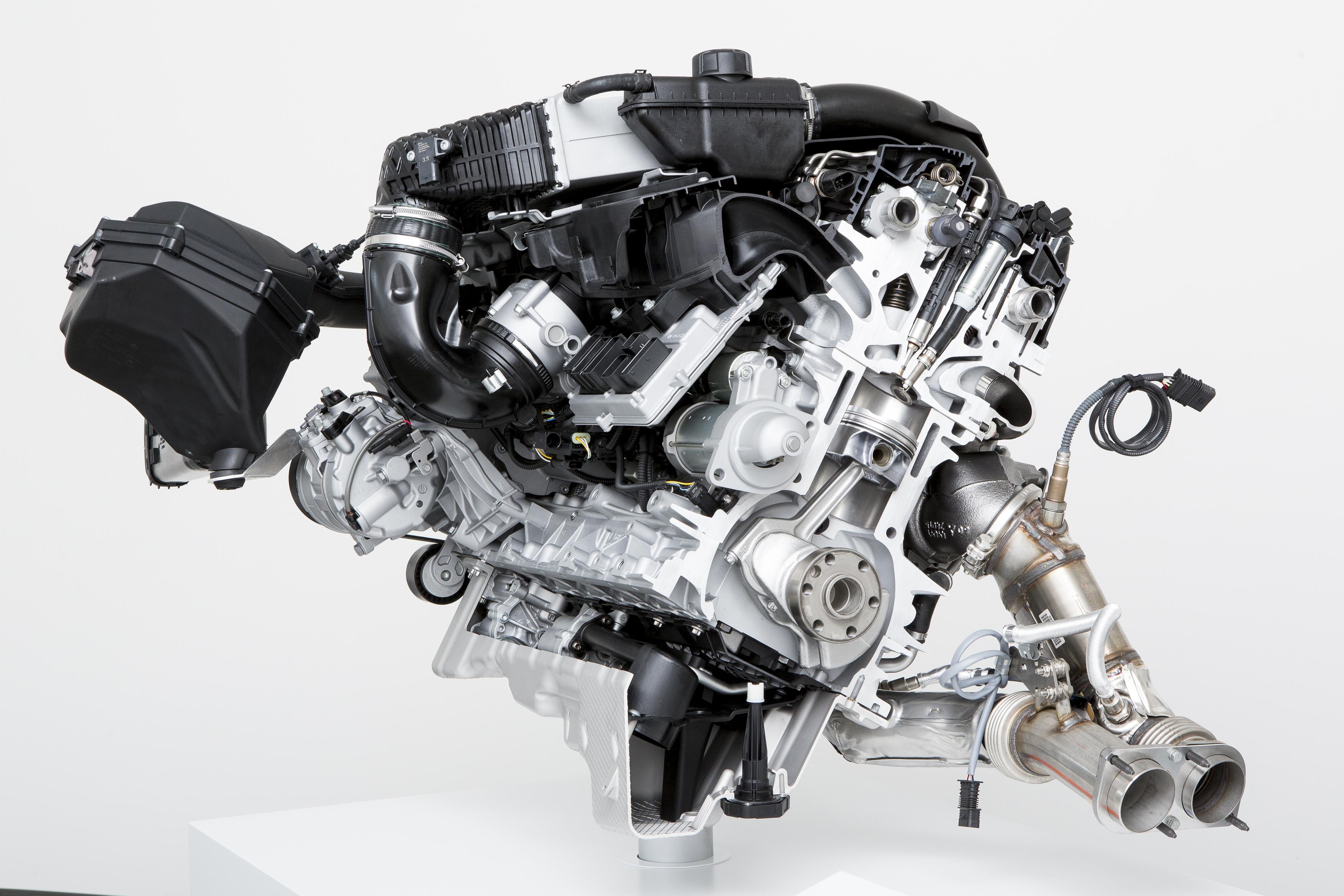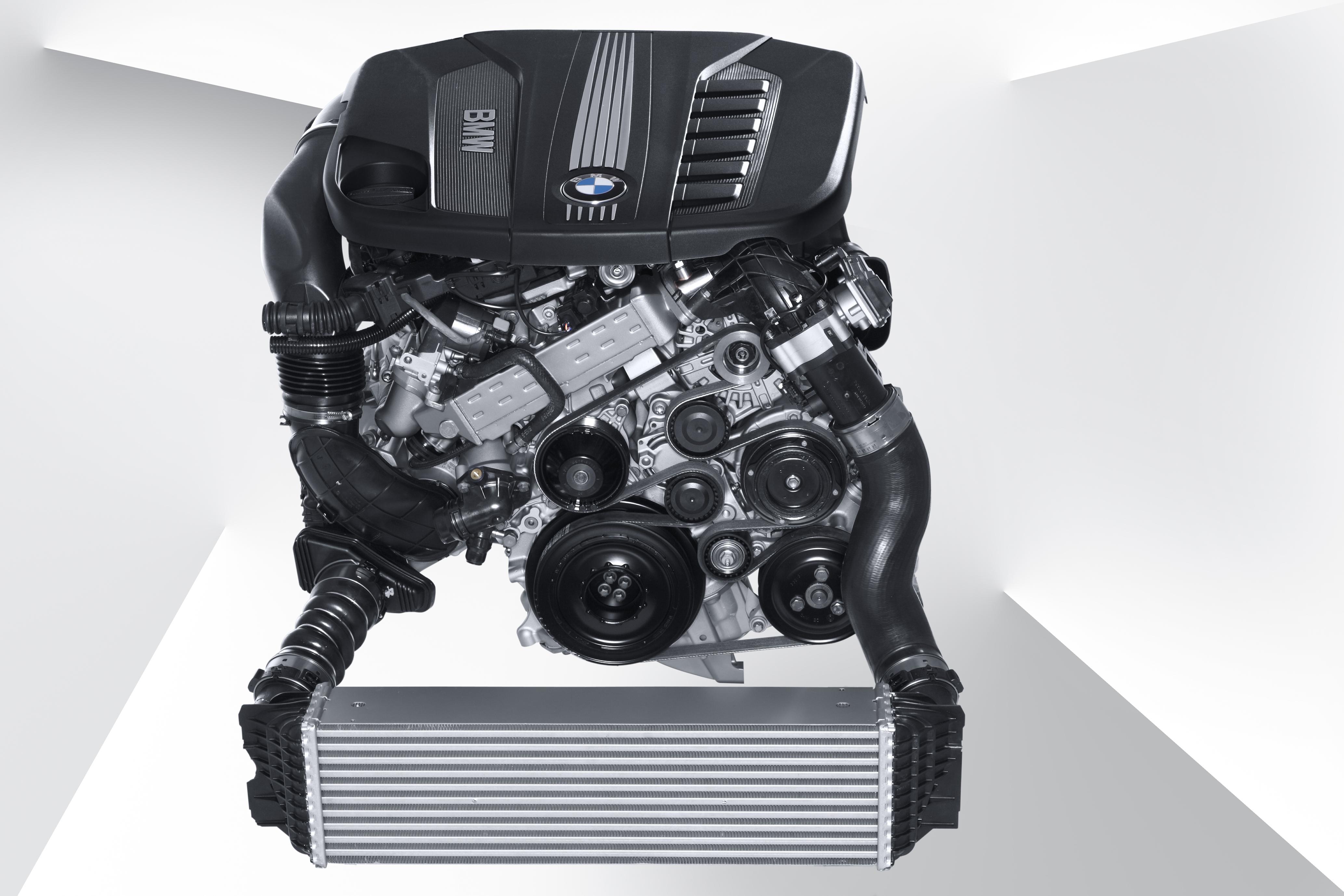
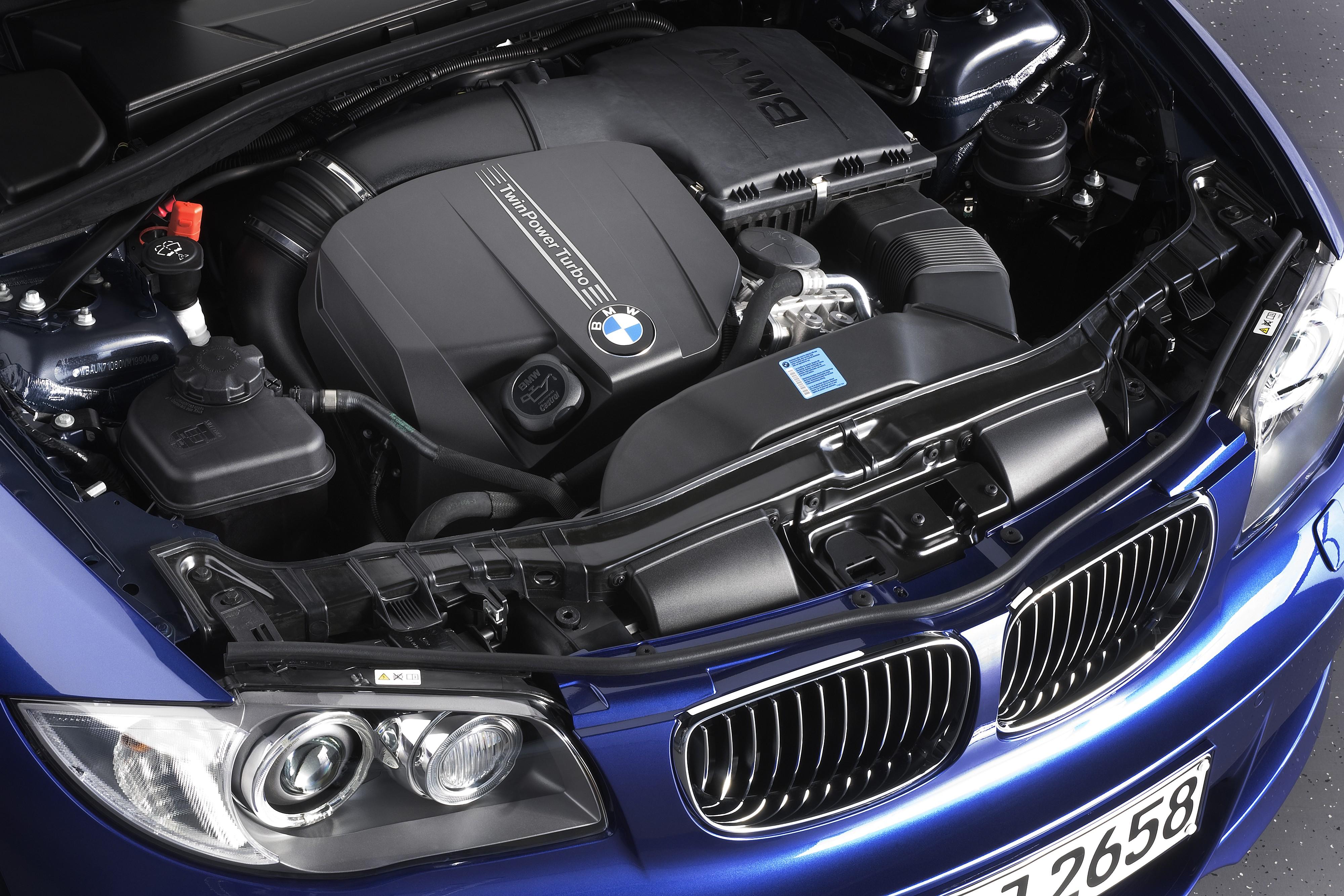
BMW N55 vs B58 is one of the most useful engine comparisons for anyone shopping for a used performance BMW. The engines occupy similar positions in BMW history: both are turbocharged inline-six petrol engines used across sedans, coupes and SUVs, but they belong to different engineering generations.
Quick answer
The N55 can make sense when purchase price and access to an older enthusiast chassis matter most. The B58 is the stronger starting point when you want newer vehicle technology, higher performance potential and a later engine architecture.
Condition can easily reverse that recommendation. A well-maintained N55 car is preferable to an abused B58 car with unknown software.
N55 overview
BMW introduced the N55 as a turbocharged inline-six combining direct injection, Valvetronic and a twin-scroll turbocharger. It became widely used in models carrying 35i-type badges and later performance applications.
B58 overview
The B58 followed as part of BMW's modular B-engine generation and became associated with 40i models such as the 340i, M340i and 540i.
N55 vs B58 comparison
| Area | N55 | B58 |
|---|---|---|
| Era | Earlier turbo BMW generation | Newer modular BMW generation |
| Layout | Turbo inline-six | Turbo inline-six |
| Common badges | 35i | 40i |
| Used price | Often lower | Usually higher |
| Tuning market | Large | Extremely large |
| Vehicle age | Older | Generally newer |
N55 common used-car concerns
Age now matters as much as original engine design. Inspect cooling systems, oil leaks, ignition components, charge pipes and turbo-related hardware. Many N55 cars are old enough that rubber, plastic and seals deserve attention regardless of mileage.
B58 common used-car concerns
The B58 is newer but still requires cooling-system inspection, leak checks and complete diagnostic scanning. Previous tuning is one of the most important variables.
Read our full B58 reliability guide.
Which has better tuning potential?
Both have enormous aftermarket support. The relevant question for a used buyer is not which engine can make the biggest dyno number but whether the particular car was tuned responsibly.
Ask what software was installed, what fuel was required and whether supporting hardware was changed.
Which sounds better?
This becomes subjective. Both retain BMW's classic inline-six character, but exhaust systems, particulate filters, model generation and factory sound calibration can change the experience substantially.
Which is cheaper to own?
An N55-powered car is usually older and cheaper to purchase, but age-related work can offset the saving. B58 cars cost more upfront and may carry more complex vehicle electronics and chassis systems.
Which engine for a daily driver?
If budget permits, the B58 is the easier modern recommendation. It sits in newer platforms and delivers exceptional performance without needing aftermarket tuning.
Which engine for a cheaper enthusiast car?
An N55 car can be attractive when you want an older chassis such as an F-generation 335i or 435i and are willing to inspect it properly.
What should you inspect on either?
- Cold start
- Oil leaks
- Cooling-system leaks
- Ignition misfires
- Turbo and boost faults
- ECU tuning history
- Service records
- BMW diagnostic scan
N55 vs B58 verdict
The B58 is the stronger engine to begin with if budget is not the limiting factor. The N55 remains a valid enthusiast choice, especially when the specific car has excellent history.
Do not buy the engine code alone. Buy the condition of the complete vehicle.
Return to BMW Engines Explained or see our BMW engine reliability guide.

Leave a comment
Your email address will not be published. Required fields are marked *