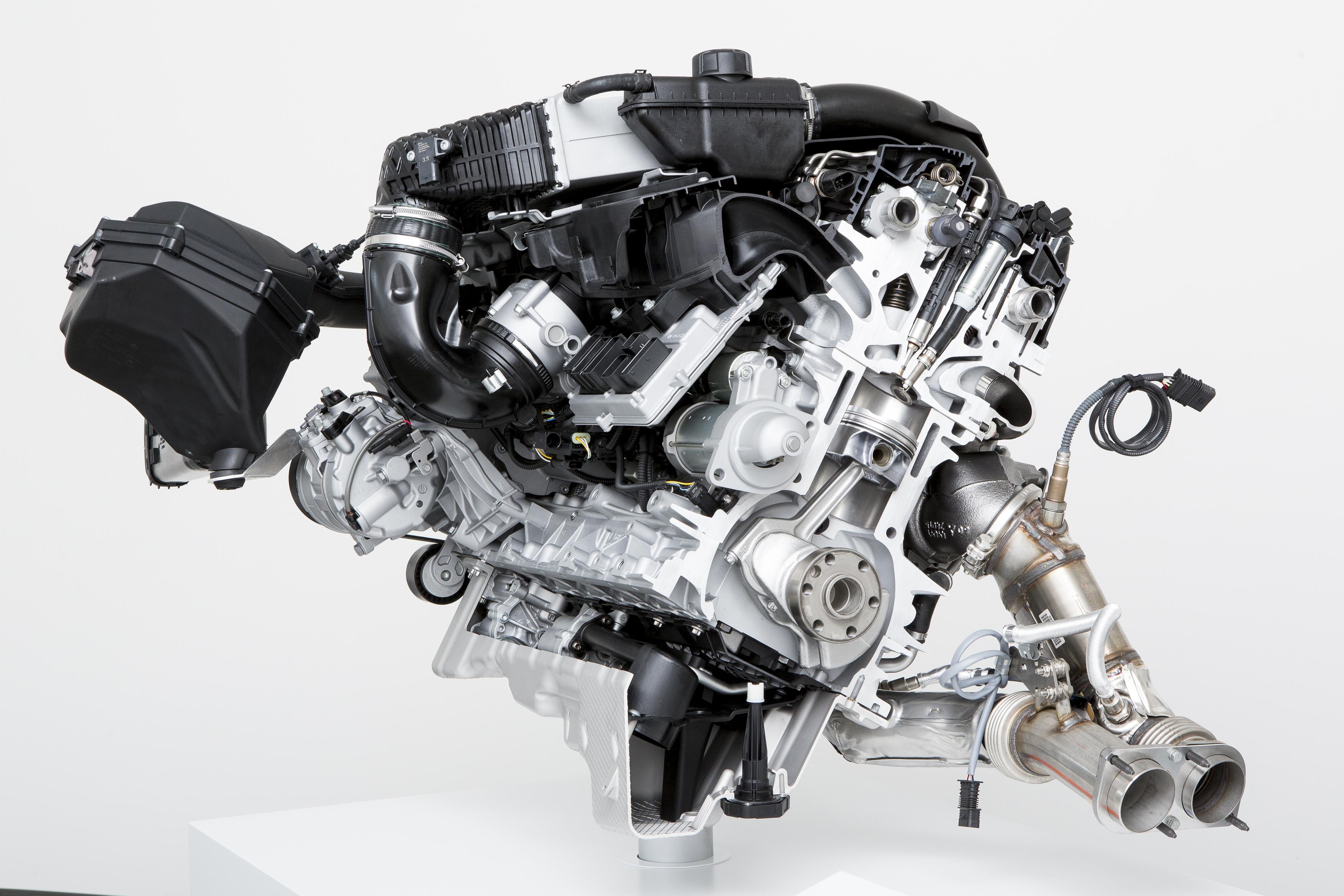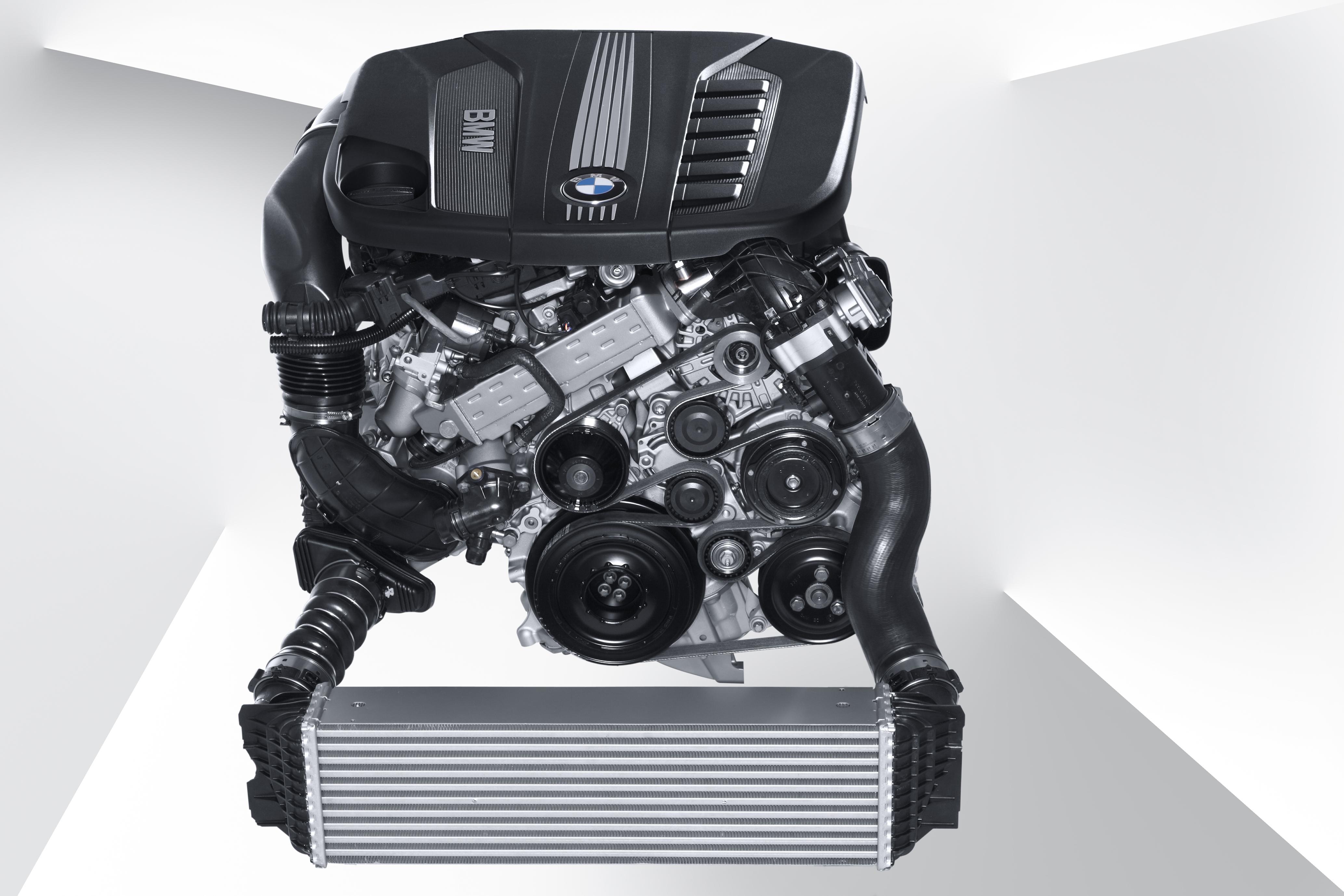
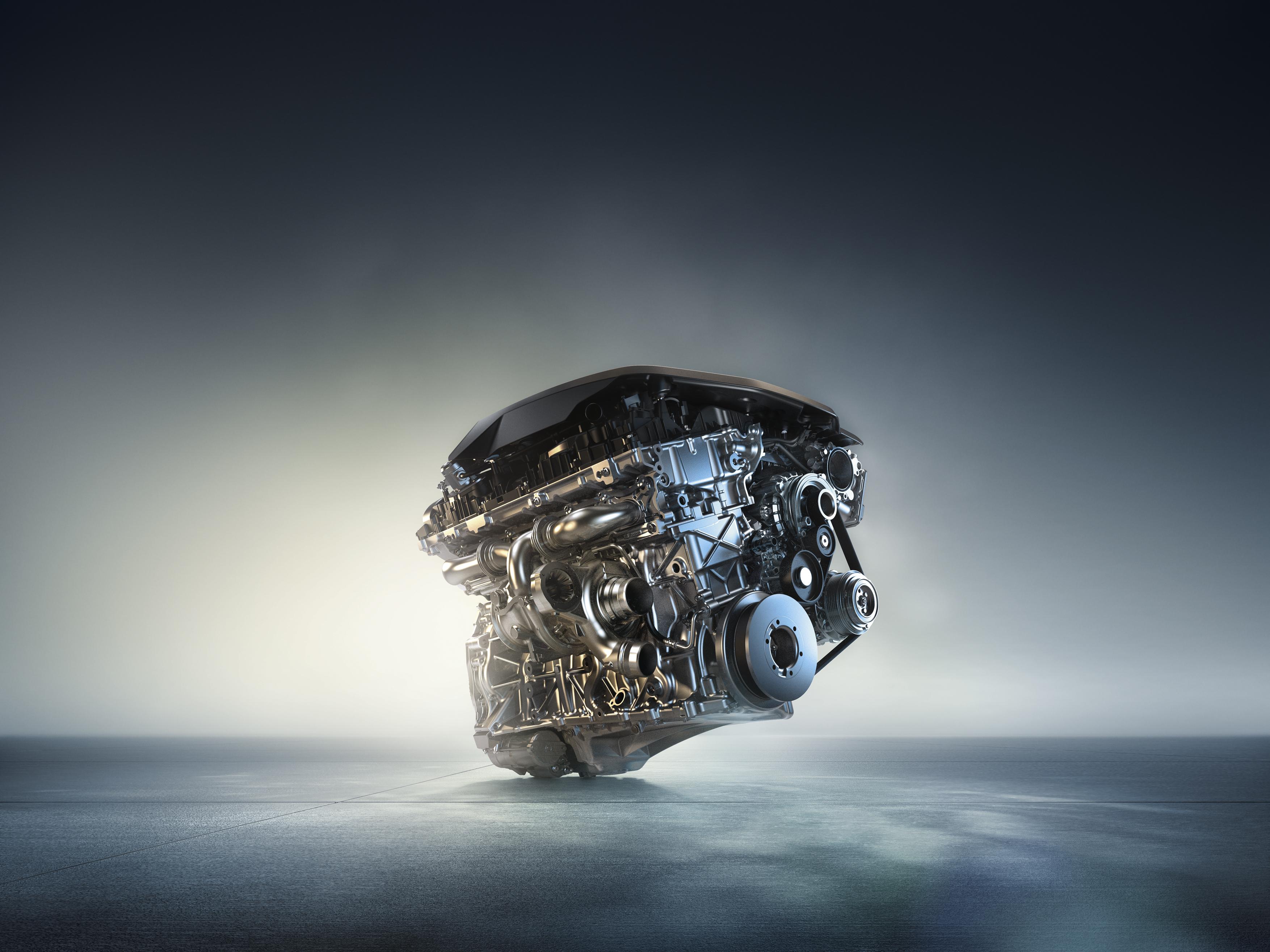
The BMW B58 has become one of the most desirable modern BMW engines. It combines the smoothness of an inline-six with turbocharged torque and enough tuning potential that cars fitted with it often attract enthusiasts long after they leave the showroom.
That reputation is deserved, but it has created a dangerous shortcut: B58 does not automatically mean trouble-free. Used-car condition, cooling-system health, service history and previous tuning remain critical.
What is the BMW B58?
The B58 is BMW's turbocharged six-cylinder petrol engine from the modular B-series family. It succeeded the N55 in many applications and is closely associated with modern 40i-badged BMW models.
BMW models commonly associated with B58
- BMW 340i
- BMW M340i
- BMW 440i and M440i
- BMW 540i
- BMW 740i in relevant generations
- BMW X3 M40i
- BMW X4 M40i
- BMW X5 xDrive40i
- BMW Z4 M40i
Applications vary by year and market, so verify the engine using VIN rather than assuming from the badge.
Is the B58 reliable?
As a modern high-output turbo engine, the B58 is a strong used-car starting point. It does not have one single failure that should make every buyer avoid it. More often, ownership problems arise from cooling components, leaks, peripheral hardware, poor servicing or modifications.
1. Cooling-system leaks
Cooling deserves careful inspection. Look for dried coolant residue around accessible hoses, expansion-tank connections and engine components. Ask whether the car ever requires coolant between services.
Repeated coolant top-ups are not a diagnosis. They are a reason to find the leak.
2. Oil leaks
Inspect both the top and underside of the engine where accessible. Minor sweating should be distinguished from active leaks. A freshly washed engine bay immediately before sale can make evidence harder to detect.
3. PCV and crankcase ventilation symptoms
Crankcase-ventilation faults can contribute to poor idle, unusual noises or oil-related symptoms. Do not replace components purely from internet diagnosis; verify the fault with proper testing.
4. Ignition coils and spark plugs
High-output turbo engines are sensitive to ignition condition, especially after tuning. Misfires under load can result from plugs, coils, fueling or software, so diagnostic data matters more than guessing.
5. Tuning history
This is one of the biggest B58 used-car variables. Many 340i, M340i and M40i cars have been remapped.
Ask:
- Has the ECU ever been flashed?
- Was the transmission software modified?
- Were downpipes or fueling components changed?
- What fuel was the tune designed for?
- Was the car returned to stock before sale?
A tuned B58 is not automatically a bad car. An undocumented tune is a risk because you do not know boost level, fuel requirements or how the vehicle was driven.
6. Fuel-system diagnosis
If a car shows misfires, difficult starting or fuel-pressure faults, use BMW-capable diagnostics. Direct-injection systems contain several possible failure points and parts swapping can become expensive quickly.
B58 cold-start checklist
| Check | What you want |
|---|---|
| Cold start | Clean start and stable idle |
| Coolant | Correct level and no unexplained loss |
| Oil | No significant active leakage |
| Misfires | No repeated misfire faults |
| Boost | Smooth acceleration without drivetrain warnings |
| Software | Known ECU history |
B58 vs N55
The N55 is the direct comparison many buyers make. Both are turbocharged BMW inline-six engines, but the B58 belongs to the newer modular generation and appears in newer platforms.
Read the detailed BMW N55 vs B58 comparison before deciding that the newer engine automatically justifies a large price premium.
B58 vs S58
The S58 is a BMW M engine designed for higher performance applications. Although the two are related in broad architectural terms, they should not be treated as the same engine with different software.
For full M applications, see our S55 vs S58 guide.
Who should buy a B58 BMW?
The B58 is particularly attractive to someone wanting one car that is comfortable in normal driving but capable of substantial performance. A 540i suits long-distance use, while an M340i or X3 M40i puts the engine in a more performance-focused package.
Who should be cautious?
Buyers with a very limited repair reserve should avoid assuming that a strong engine reputation makes a premium BMW inexpensive to maintain. Cooling hardware, electronics, xDrive components, brakes and tyres can still create significant bills.
Verdict
The B58 deserves its reputation as one of BMW's most compelling modern engines. The smart purchase, however, is not simply any car with B58 written in a VIN decoder. Look for documented servicing, clean diagnostics, known software history and a cooling system with no unexplained loss.
Return to BMW Engines Explained or compare it with our B48 reliability guide.

Leave a comment
Your email address will not be published. Required fields are marked *