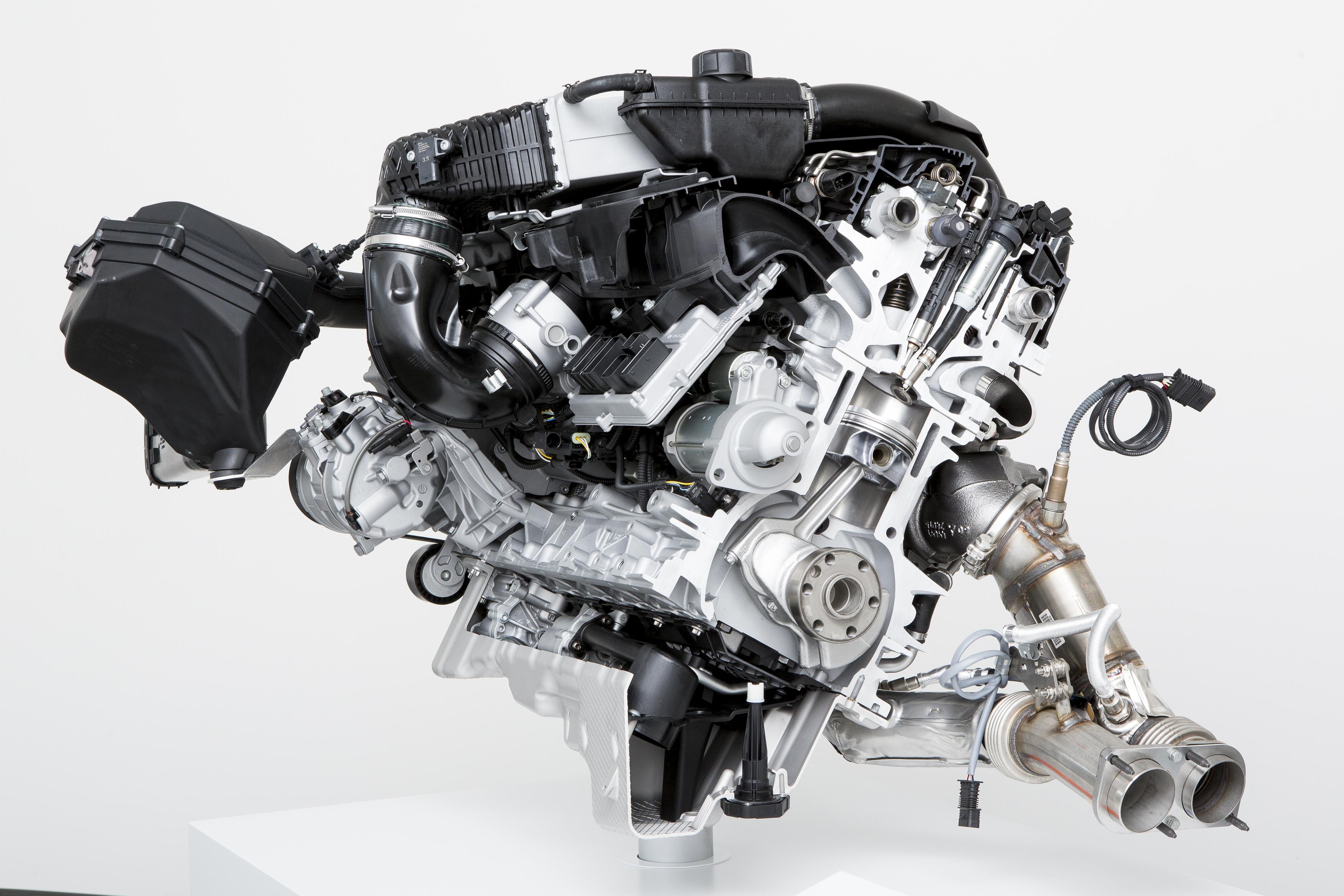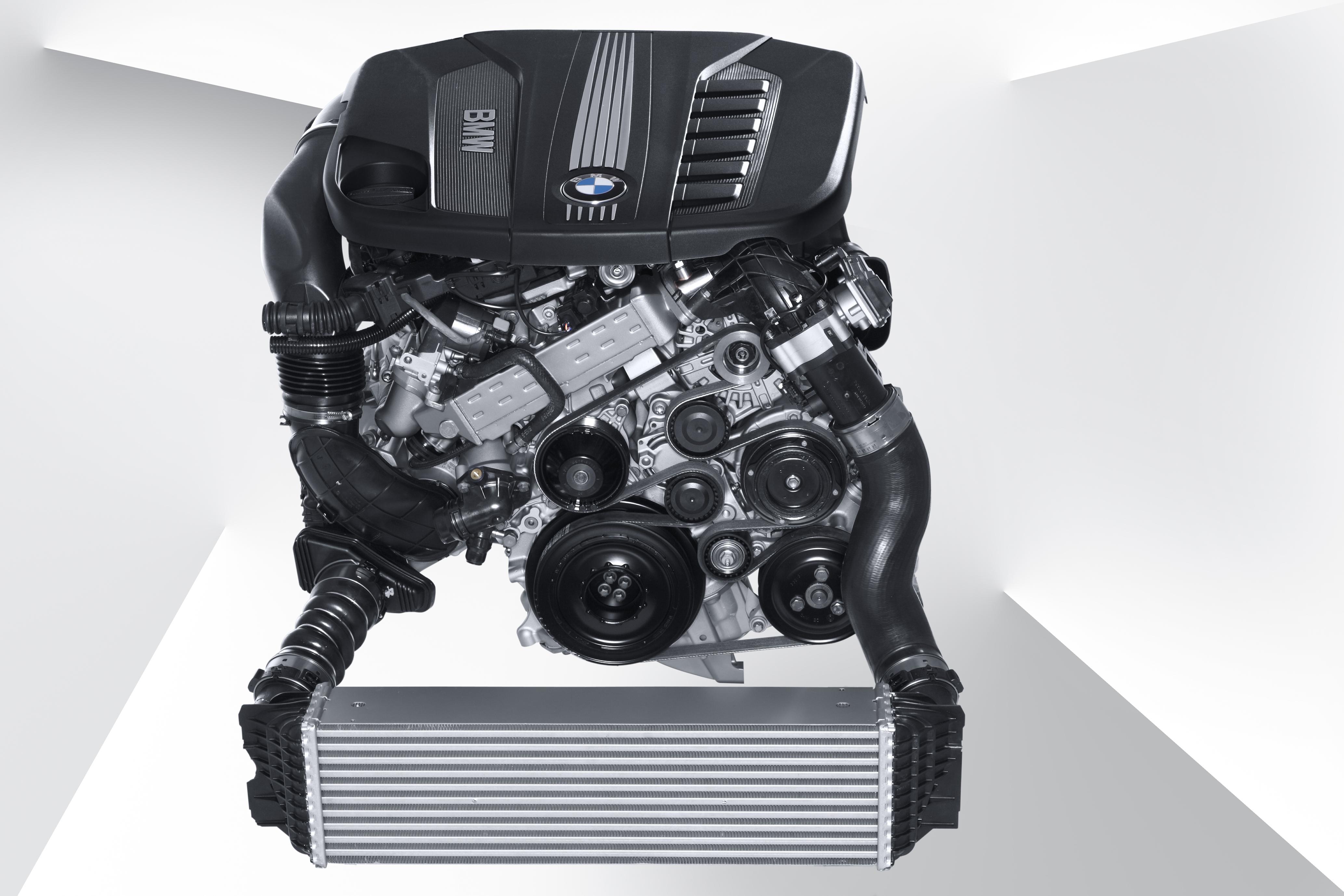
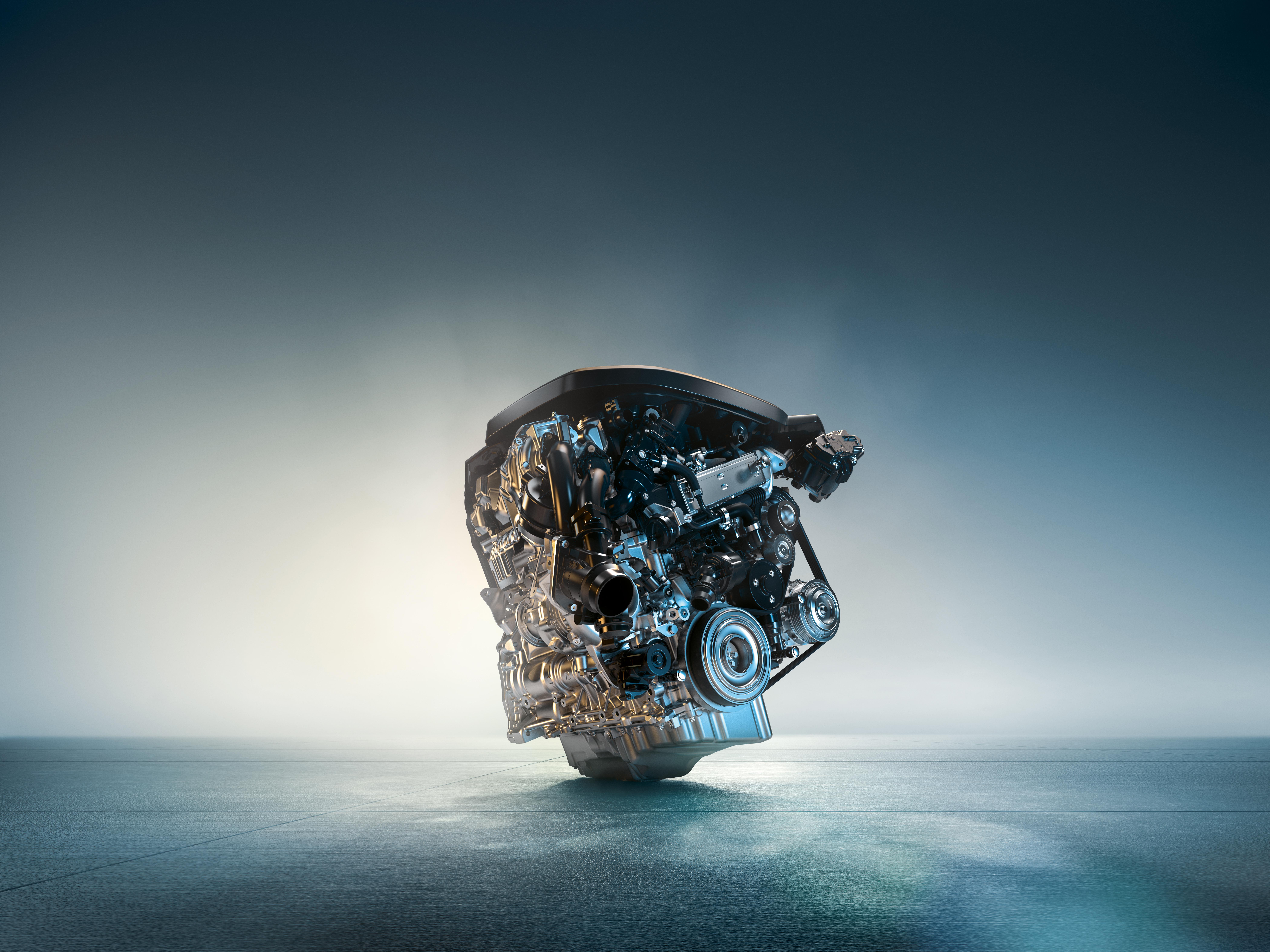
The BMW B47 is the modern four-cylinder diesel engine many used buyers encounter in 18d and 20d models. It succeeded the older N47 family and is designed for the kind of driving where diesel still makes the most sense: sustained mileage, regular motorway use and drivers who value low-rpm torque.
The key to B47 reliability is understanding that you are buying more than an engine. You are also buying a DPF, EGR system and, on relevant versions, SCR/AdBlue hardware.
What is the BMW B47?
B47 belongs to BMW's modular B-engine generation and is a turbocharged four-cylinder diesel. Applications span multiple vehicle families and output levels.
Is the B47 reliable?
For the correct owner, the B47 can be an excellent high-mileage engine. Problems are more likely when the vehicle's driving pattern does not suit modern diesel emissions equipment or when warning signs are ignored.
1. DPF regeneration
The diesel particulate filter captures soot and needs suitable conditions to regenerate. Repeated short cold trips can make this process more difficult.
Ask the seller what type of driving the car normally did. A commuter covering long motorway distances may have a more suitable diesel usage history than a low-mileage city car.
Possible DPF warning signs
- DPF or drivetrain warnings
- Reduced performance
- Frequent regeneration behaviour
- Cooling fan operating after shutdown unusually often
- Diagnostic soot or pressure-related faults
2. EGR system
EGR faults can affect emissions and drivability. Check repair history and any relevant campaigns or recall work applicable to the specific VIN.
Do not assume every diesel hesitation is EGR-related. Boost leaks, sensors, DPF loading and fueling faults can overlap.
3. AdBlue and SCR
On versions equipped with SCR, AdBlue systems introduce additional sensors, pumps and dosing hardware. Active countdown or no-start warnings should be diagnosed before purchase.
4. Turbocharger and boost system
The car should accelerate consistently with no excessive smoke or boost warnings. Inspect accessible hoses and charge-air connections.
5. Cooling and oil leaks
Check coolant level, dried residue and oil leakage just as you would on a petrol BMW. Diesel does not remove the need for normal engine-bay inspection.
6. Automatic transmission and drivetrain
The engine may be healthy while the complete vehicle is not. Test automatic shifts, listen for driveline vibration and inspect tyres carefully on xDrive cars.
B47 used-car checklist
| Area | Check |
|---|---|
| Usage | Long trips vs repeated short trips |
| DPF | Loading, pressure and fault history |
| EGR | Repair history and active faults |
| SCR/AdBlue | No countdown or dosing faults |
| Turbo | Consistent boost |
| Engine | Cold start, coolant and oil leaks |
| Diagnostics | BMW-capable scan |
B47 vs N47
The B47 is the newer engine family and is the natural comparison for shoppers moving from older F-generation diesels into newer BMWs.
If you are considering the previous generation, read our BMW N47 timing-chain guide.
B47 vs B48 petrol
The choice should be based primarily on driving pattern. High annual motorway mileage favors the diesel argument. Frequent short journeys make the B48 petrol engine easier to recommend.
See our BMW B48 reliability guide.
Verdict
The B47 is not an engine to buy simply because diesel fuel economy looks attractive. Buy it when your real usage suits a modern diesel, and verify the emissions system before purchase.
Return to the BMW Engines hub for the complete engine family map.

Leave a comment
Your email address will not be published. Required fields are marked *