BMW tuning is easy to do badly. A software flash can add power in minutes, but a genuinely well-tuned BMW is a complete package: engine calibration, cooling, tyres, brakes, suspension and maintenance all need to support the way the car will actually be used.
This guide is the hub of our BMW Tuning cluster. It explains where to start, which upgrades deliver real value and which modifications often cost more than they improve the car.
Start with a healthy BMW
The first tuning modification should not be a remap. Start with diagnostics and maintenance. A tune cannot repair weak ignition coils, leaking coolant, worn tyres or a transmission fault.
- Scan all control modules.
- Check spark plugs and ignition condition.
- Inspect cooling-system leaks.
- Check oil level and leaks.
- Inspect tyres and brakes.
- Confirm fuel quality available in your area.
- Identify previous ECU or transmission software.
Stage 1 BMW tuning
Stage 1 normally describes ECU software designed for otherwise largely standard hardware. The exact definition varies between tuners, so never buy a tune based only on the word Stage.
A proper calibration should specify supported fuel grade, expected boost, torque limits and compatible hardware. Read our BMW Stage 1 vs Stage 2 guide.
Stage 2 BMW tuning
Stage 2 generally assumes supporting hardware, but there is no universal industry standard. Some tuners require additional charge-air cooling, intake hardware or exhaust changes. Others use Stage 2 primarily as a marketing label.
Before flashing software, ask what physical hardware the map was calibrated around.
B58 tuning
The B58 turbocharged inline-six is one of the most popular modern BMW tuning platforms. It appears in cars such as the 340i, M340i, 440i, M440i, 540i and X3 M40i depending on generation and market.
The engine responds strongly to calibration changes, but additional output increases demands on fuel quality, cooling, tyres and drivetrain components.
See our BMW B58 tuning guide.
B48 tuning
The four-cylinder B48 is often overlooked because enthusiasts focus on the B58. In reality, a well-sorted 330i or 430i can become a very quick road car without the purchase price of a six-cylinder model.
Read BMW B48 tuning for 330i and 430i.
Intake: power or sound?
Many aftermarket intakes change induction sound more dramatically than performance. That does not make them useless; sound and appearance are valid reasons to modify a car. The mistake is expecting every exposed filter to produce a large measurable power increase.
See BMW intake upgrades explained.
Intercooler and charge-air cooling
Turbocharged engines create heat. Repeated acceleration, high ambient temperatures and additional boost can increase intake temperatures and reduce repeatability. Cooling upgrades become more valuable as load increases.
Our BMW intercooler and heat-soak guide explains when cooling should move ahead of another power modification.
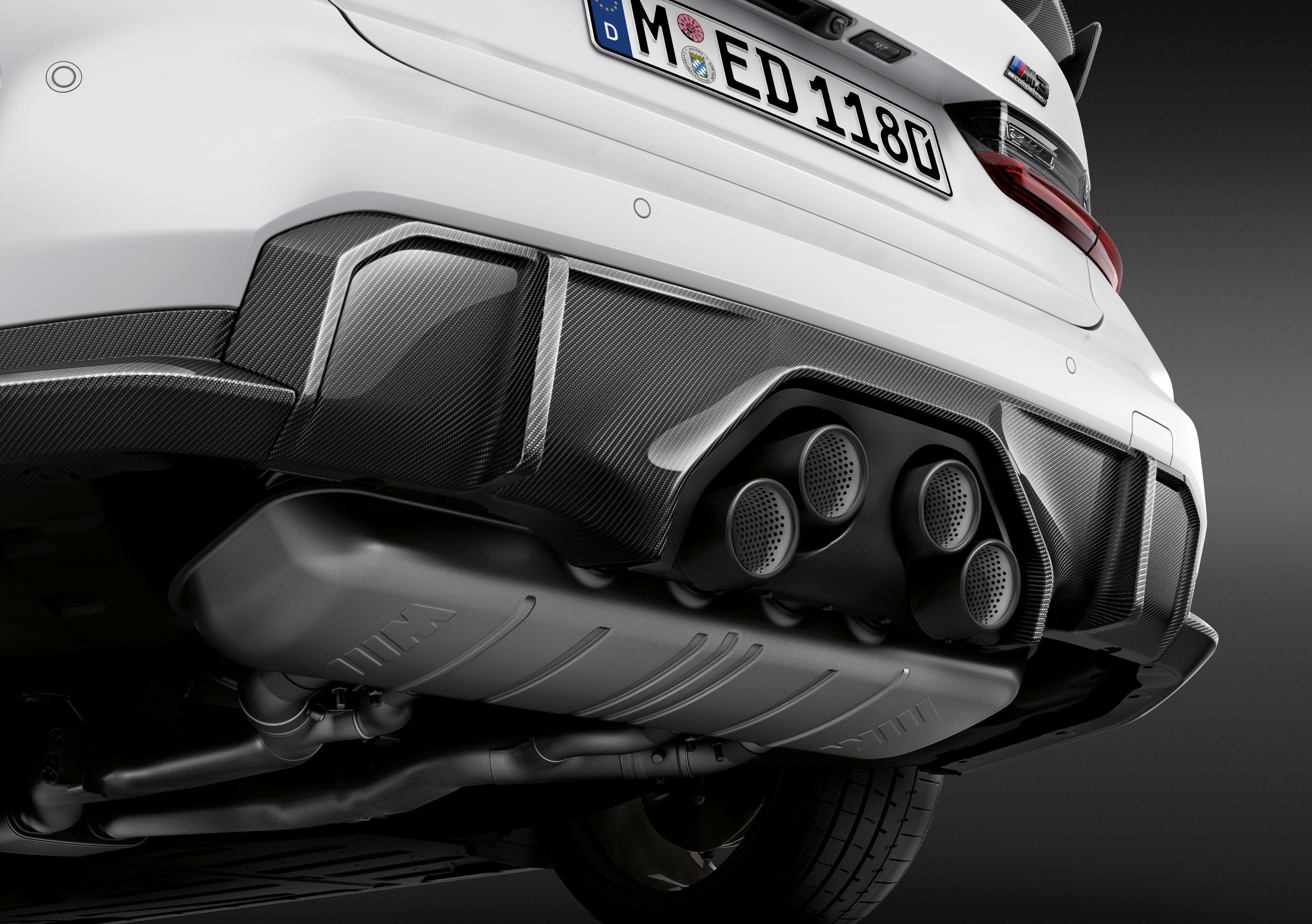
Exhaust and downpipe upgrades
Exhaust modifications affect sound, flow, weight and potentially emissions compliance. Requirements vary by jurisdiction. Removing or defeating road-vehicle emissions equipment can create inspection, registration and legal problems.
For a road car, focus on compliant components and understand exactly what the ECU calibration expects. Read BMW exhaust and downpipe tuning explained.
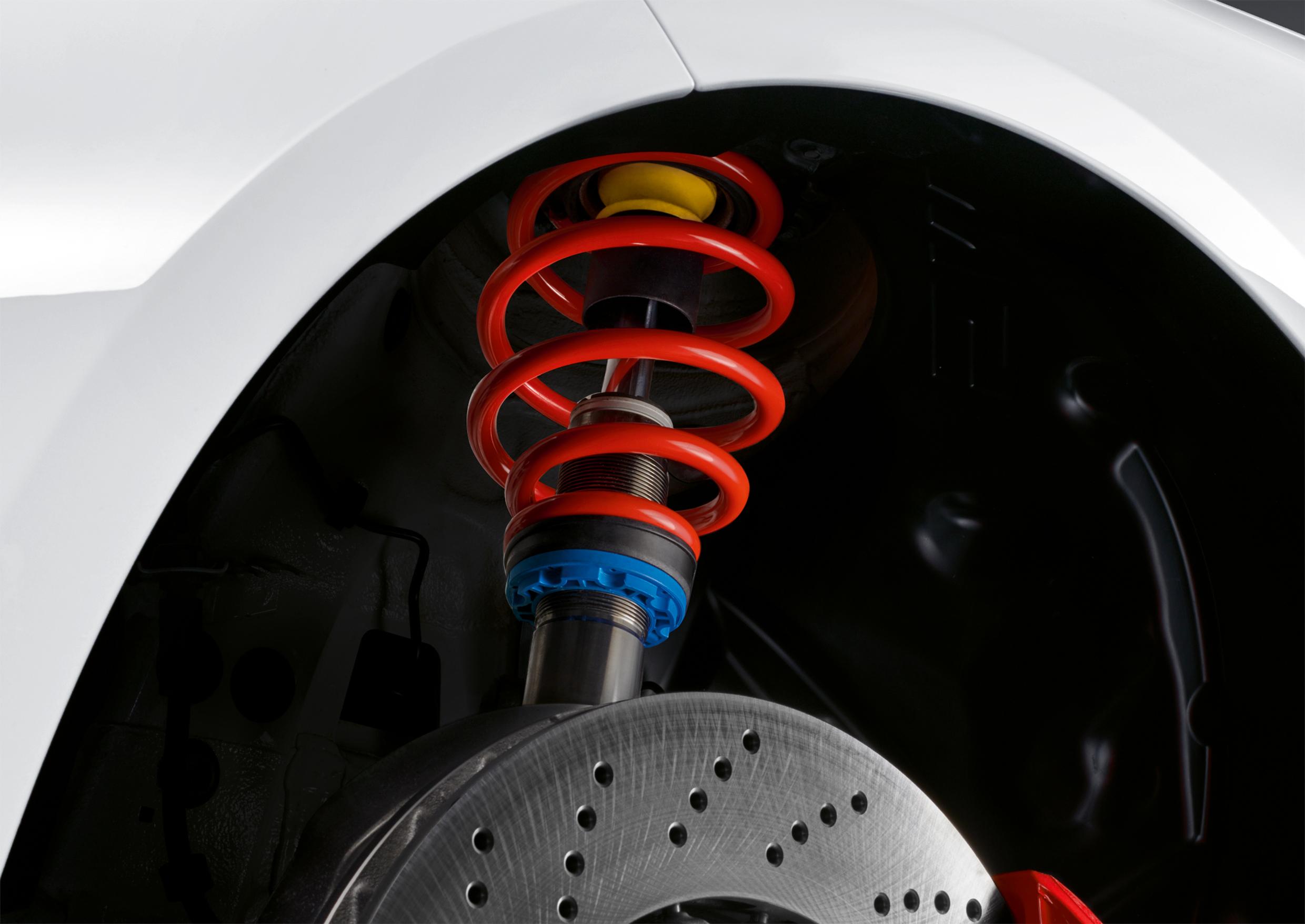
Suspension before more power?
Often, yes. Better body control and alignment can make a BMW faster and more enjoyable everywhere, rather than only during full-throttle acceleration.
Read our BMW suspension tuning guide.
Tyres and brakes
Power is useless if the car cannot deploy or stop it consistently. High-quality tyres can transform traction, steering and braking without adding a single horsepower.
For tuned cars, see BMW brake and tyre upgrade guide.
M Performance or aftermarket?
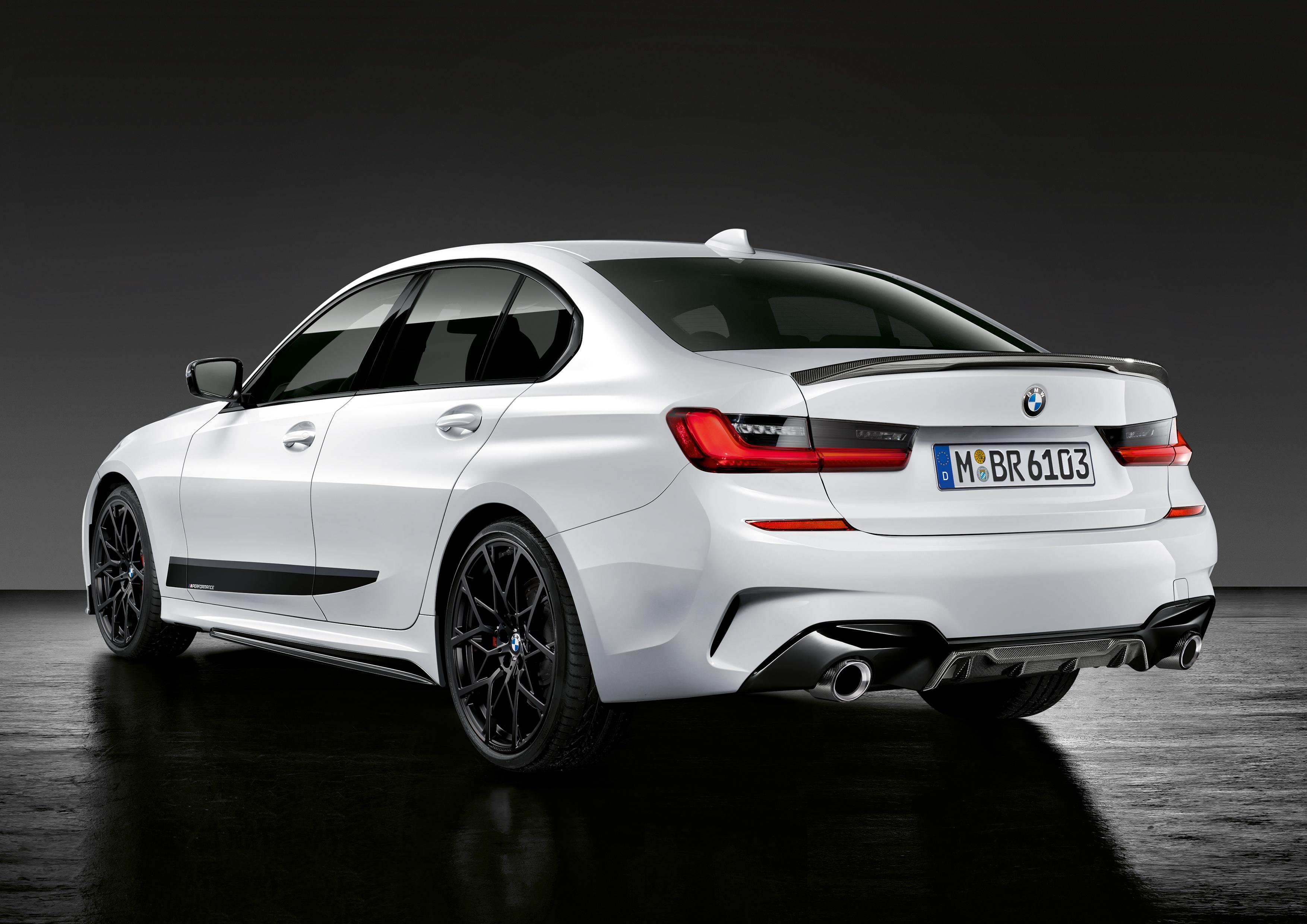
BMW M Performance components appeal to owners who want factory integration and BMW-developed parts. Aftermarket suppliers can offer wider choice, lower prices or more aggressive performance goals.
Compare the trade-offs in BMW M Performance vs aftermarket tuning parts.
The smartest BMW tuning order
| Step | Upgrade | Why |
|---|---|---|
| 1 | Maintenance and diagnostics | Establish a healthy baseline |
| 2 | Tyres | Traction and braking |
| 3 | Software | Large performance gain where appropriate |
| 4 | Cooling | Maintain performance under repeated load |
| 5 | Brakes | Support higher speeds |
| 6 | Suspension/alignment | Improve control and balance |
| 7 | Sound/aesthetic modifications | Personalise the car |
Final rule
Do not build a BMW for a dyno screenshot unless that is genuinely your goal. A road BMW that starts every morning, manages temperature correctly, grips in poor weather and still feels balanced is usually a better build than a higher-power car with unresolved weaknesses.
BMW Tuning cluster

Leave a comment
Your email address will not be published. Required fields are marked *