Stage 1 and Stage 2 are two of the most searched phrases in BMW tuning, but they are not official engineering standards. One tuner's Stage 1 can be another tuner's conservative road map, while Stage 2 can mean anything from a software revision to a package requiring significant supporting hardware.
What is BMW Stage 1?
Stage 1 normally means ECU calibration intended for a largely standard vehicle. Depending on engine and tuner, software may change boost targets, ignition timing, fueling, throttle behaviour and torque requests.
What is Stage 2?
Stage 2 usually assumes additional hardware. Exactly what hardware is required depends on the engine and calibration provider.
Do not install a generic parts list copied from another platform. Follow the requirements of the specific calibration being used.
Stage 1 vs Stage 2
| Area | Stage 1 | Stage 2 |
|---|---|---|
| ECU calibration | Yes | Yes |
| Hardware | Often near-stock | Usually additional |
| Cost | Lower | Higher |
| Heat load | Higher than stock | Potentially higher again |
| Complexity | Lower | Higher |
| Road-car compromise | Often excellent | Depends on build |
Fuel quality matters
A map calibrated for high-octane fuel should not be treated as compatible with whatever petrol is cheapest that day. Use the fuel grade specified by the tuner and understand whether ethanol content is part of the calibration.
Do you need an intake?
Not automatically. Some engines can achieve substantial software gains with the factory airbox. An aftermarket intake may be useful for sound, packaging or higher-output builds, but it should not be treated as mandatory purely because a package is called Stage 2.
Read BMW intake upgrades explained.
Cooling becomes more important
Increasing boost and torque generally increases thermal load. A car that produces excellent power for one acceleration run can perform very differently after repeated pulls or track laps.
See BMW intercooler and heat-soak guide.
Transmission torque limits
Engine torque does not exist in isolation. Automatic transmissions, clutches, driveshafts, differentials and transfer cases have operating limits. A responsible tune considers drivetrain torque rather than chasing an engine-only number.
Stage 1 reliability
A conservative map on a healthy car is fundamentally different from aggressive calibration on a vehicle already suffering from marginal ignition, cooling or fueling.
Before tuning:
- Scan for faults.
- Check plugs and coils.
- Inspect coolant leaks.
- Verify oil condition.
- Use appropriate fuel.
- Log critical engine parameters after tuning.
Stage 2 and emissions hardware
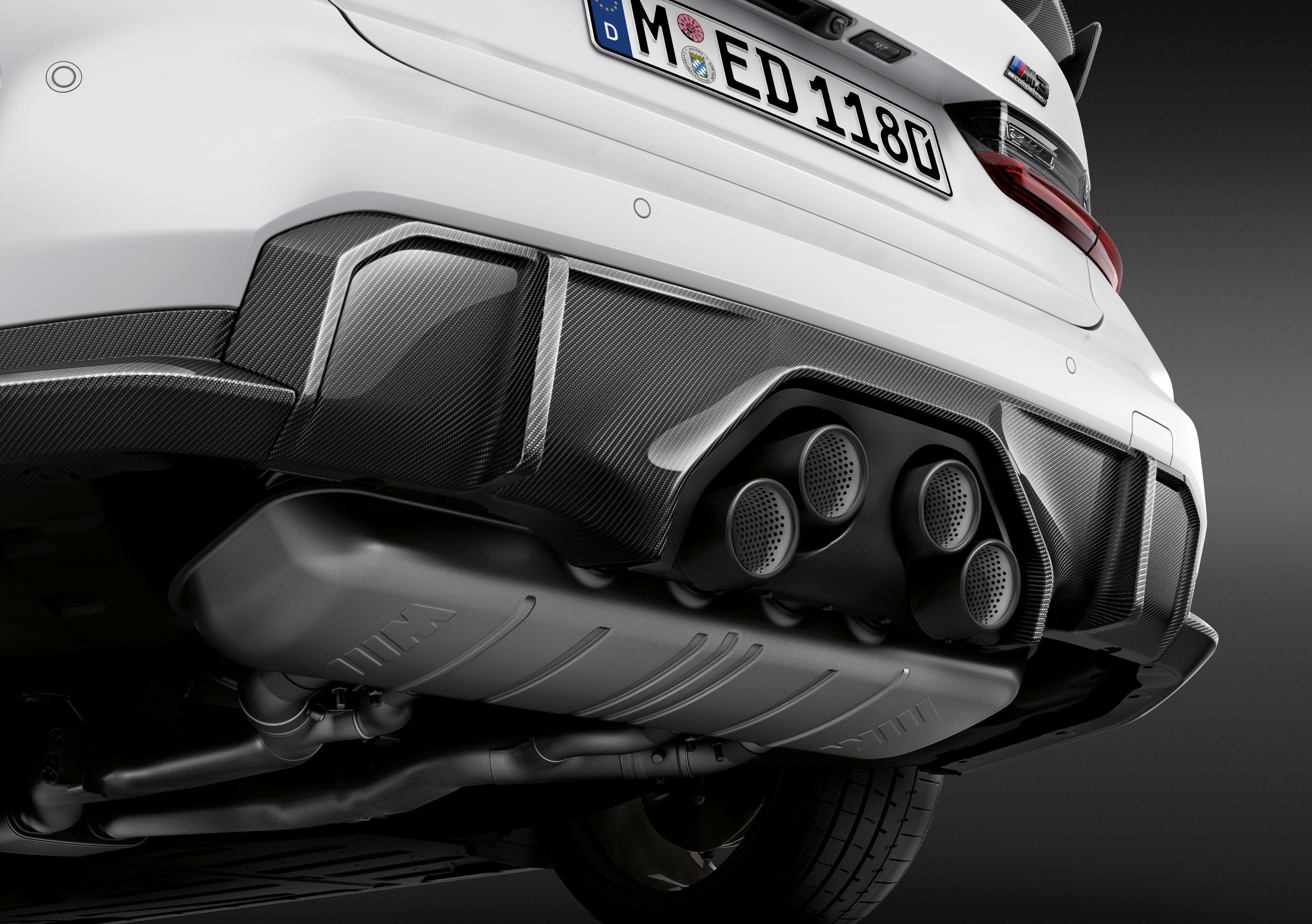
Some Stage 2 packages are marketed around exhaust changes that may affect emissions compliance. Road-use legality varies by country. Do not assume a modification is road legal simply because a retailer sells it.
See our BMW exhaust and downpipe guide.
Which one is faster?
Stage 2 may provide more output where supporting hardware removes a meaningful restriction, but the size of the gain depends entirely on platform, fuel and calibration.
Which is better for a daily BMW?
For many owners, a properly calibrated Stage 1 car with quality tyres and strong maintenance is the sweet spot. It retains a relatively simple hardware configuration while delivering a noticeable performance increase.
When Stage 2 makes sense
Move further when you have a specific target: repeated track use, higher sustained output or hardware already required for thermal management.
Verdict
Ignore the badge Stage 1 or Stage 2 until you know exactly what the calibration changes and what hardware it expects. The quality of the tune matters more than the stage number.
Return to the BMW Tuning Guide or continue with B58 tuning and B48 tuning.

Leave a comment
Your email address will not be published. Required fields are marked *