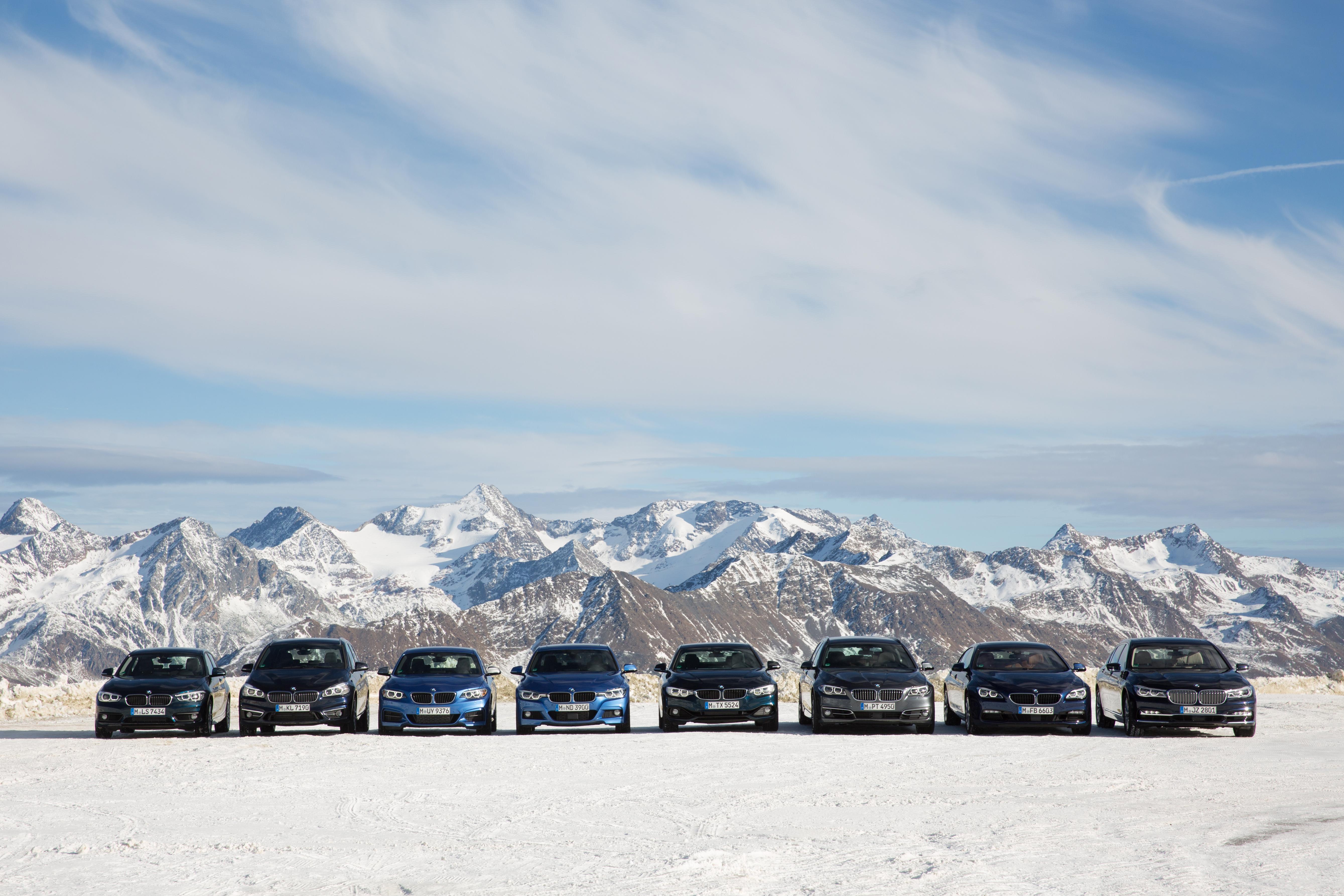
BMW model names can look like a secret code. A 330i is not simply a smaller 530i, an M340i is not an M3, and an X4 is not automatically larger than an X3. Once you separate model family, body style, engine tier and performance level, the entire BMW range becomes much easier to understand.
This guide is the central hub of our BMW Models section. Use it to identify the right family first, then follow the links to compare reliability, used-car value, SUVs, M cars and chassis generations.
BMW model range at a glance
| BMW family | Main purpose | Typical buyer |
|---|---|---|
| 1 Series | Compact BMW | City drivers and entry-level BMW buyers |
| 2 Series | Compact coupe, Gran Coupe and performance models | Drivers wanting something smaller and sportier |
| 3 Series | Core sports sedan and Touring | Daily drivers and enthusiasts |
| 4 Series | Coupe, Convertible and Gran Coupe | Style-focused 3 Series buyers |
| 5 Series | Executive sedan and Touring | Motorway and business users |
| 7 Series | Luxury flagship sedan | Maximum comfort and technology |
| X Series | BMW SUVs | Families and buyers wanting more space |
| M | High-performance BMW models | Performance-focused drivers |
| BMW i | Electric BMW models | EV and technology-focused buyers |
What do the BMW numbers mean?
The first number normally identifies the vehicle family. A 3 Series is positioned below a 5 Series in size and luxury. The remaining numbers such as 20i, 30i or 40i describe a performance level rather than literal engine displacement on modern BMWs.
For a complete badge decoder, read BMW model numbers explained.
BMW 3 Series
The 3 Series is still the easiest BMW family to recommend to a broad audience. It combines useful rear seats, manageable exterior dimensions and the rear-wheel-drive-based character associated with BMW sports sedans. Popular generations include E46, E90, F30 and G20.
BMW 5 Series
The 5 Series moves the formula toward comfort. It is larger, quieter and generally better suited to long motorway journeys. Buyers comparing the two should read our BMW 3 Series vs 5 Series guide.
BMW X models
The X family covers BMW SUVs from compact urban vehicles to large luxury models. X1 is the entry point, X3 is the midsize sweet spot, X5 is larger and more luxurious, while X7 sits at the top of the conventional SUV range.
BMW M models
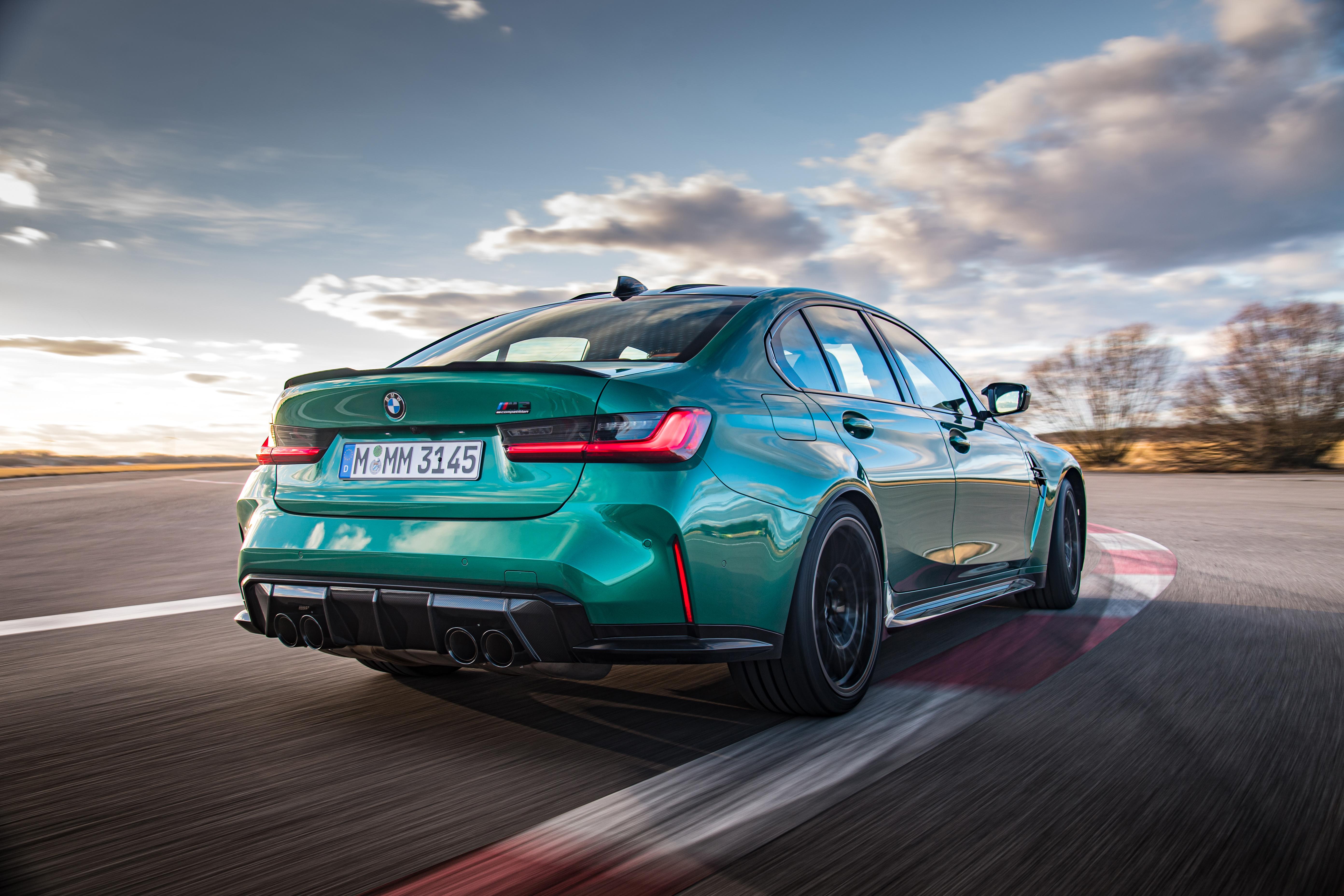
A full BMW M model is not the same thing as an M Sport package. M2, M3, M4 and M5 receive major performance changes to engines, cooling, suspension, brakes and drivetrain. M Performance cars such as the M340i sit between regular BMWs and full M cars.
Read BMW M models explained.
Which BMW should you buy?
| Your priority | BMW to research first |
|---|---|
| Balanced daily car | 3 Series |
| Motorway comfort | 5 Series |
| Compact SUV | X1 or X3 |
| Large family SUV | X5 |
| Fast daily driver | M Performance |
| Maximum performance | Full BMW M |
Do not choose by badge alone
A clean 330i with complete service history can be a much better purchase than a neglected M340i. A well-maintained X3 can make more financial sense than a heavily depreciated X5 loaded with expensive equipment.
Start with the most reliable BMW models, then compare our best used BMW models. If you are looking at an older or unusually cheap BMW, also read BMW models and engines to research carefully.
BMW chassis codes
BMW enthusiasts often use codes such as E46, E90, F30, G20 and G05 instead of normal model names because the code identifies a specific generation. Learn them in our BMW chassis codes guide.
Final advice
The smartest way to choose a BMW is simple: choose the vehicle size first, then the engine, then the specification. Only after that should you compare individual cars. Condition, service history, diagnostics and previous modifications matter more than an impressive badge.

Leave a comment
Your email address will not be published. Required fields are marked *