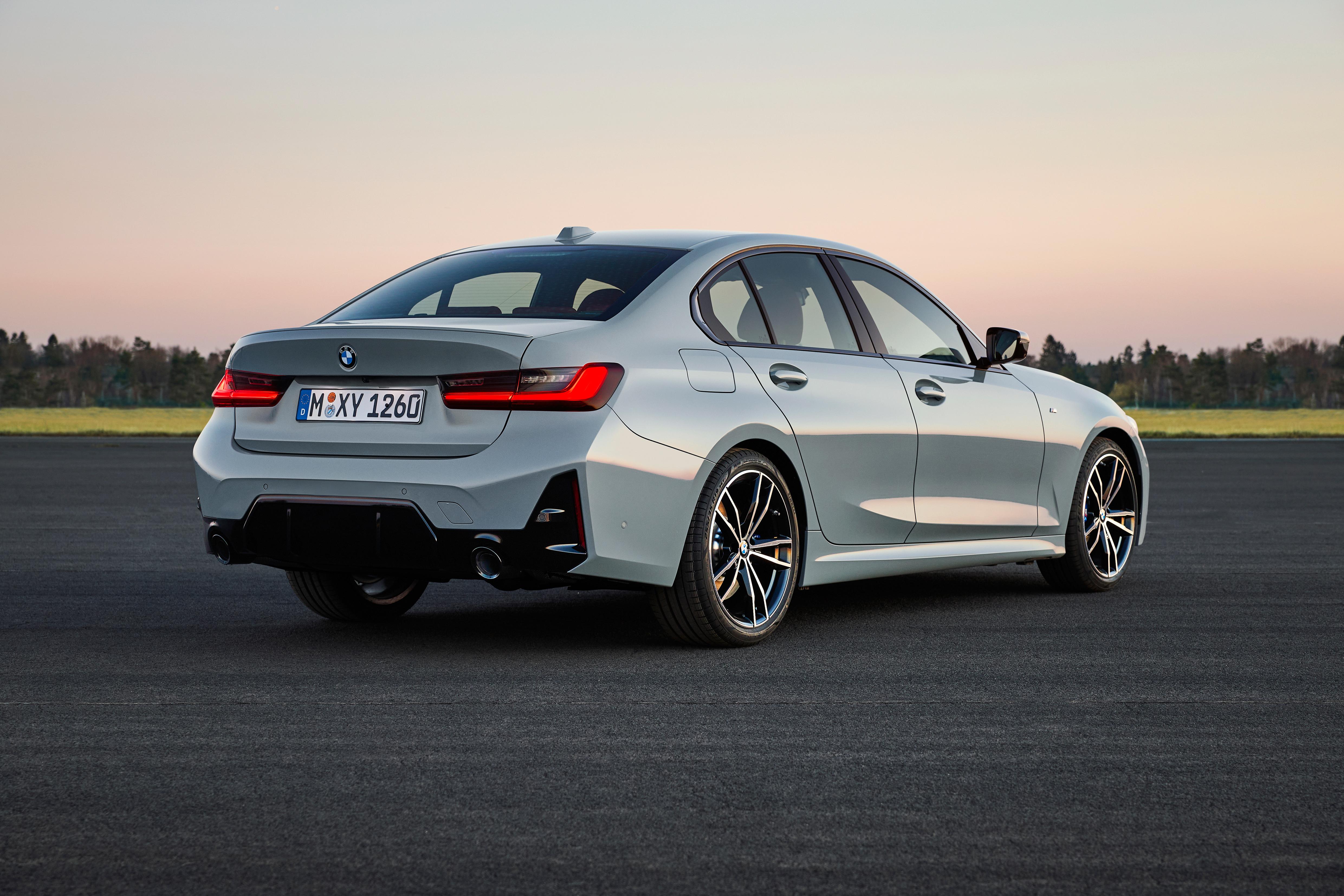

A BMW automatic transmission that shifts differently from normal does not automatically need replacement. Jerking, delayed engagement, shuddering and warning messages can originate from fluid condition, adaptations, engine faults, mounts, mechatronic components or internal mechanical wear.
The most important step is to define the symptom precisely. A single harsh cold shift is different from repeated slipping under load.
Common BMW automatic transmission symptoms
- Harsh or jerky shifts
- Delayed engagement into Drive or Reverse
- Engine speed rises without matching acceleration
- Shudder during light acceleration
- Transmission warning message
- Limp mode
- Fluid leak
- Clunk when coming to a stop
What the symptom can mean
| Symptom | Possible areas to investigate |
|---|---|
| Harsh shifts | Fluid condition, adaptations, mechatronics, mounts |
| Delayed engagement | Fluid level, hydraulic pressure, internal wear |
| Shudder | Torque converter, driveline, tyres, engine operation |
| Gear warning | Electronic, hydraulic or mechanical fault |
| Slipping | Hydraulic pressure or internal clutch wear |
Transmission fluid condition
Automatic transmission fluid performs hydraulic, lubrication and cooling functions. A gearbox with unknown service history deserves more careful assessment than one supported by invoices and correct fluid-service records.
Fluid leaks
Transmission fluid can escape from sealing areas, connectors, pans or related components depending on gearbox design. A leak can eventually reduce fluid level enough to affect hydraulic operation.
Mechatronic and valve-body problems
Modern BMW automatic transmissions use electronically controlled hydraulic systems to manage shifts. A fault in this area can produce harsh engagement or inconsistent shifting without requiring replacement of the entire gearbox.
Torque converter shudder
A vibration during light acceleration can sometimes be associated with torque-converter operation, but engine misfires, worn mounts, transfer-case behaviour and wheel problems can imitate it.
Transmission adaptations
Resetting adaptation values is not a universal repair. Clearing them without understanding the underlying fault can temporarily change shift behaviour without fixing worn components.
Engine faults that feel like gearbox faults
Misfires and torque-delivery problems can make shifts feel abnormal. See our BMW drivetrain malfunction guide.
How to test a used BMW transmission
- Drive the car from cold if possible.
- Check engagement into Drive and Reverse.
- Accelerate gently through all gears.
- Repeat with moderate load once warm.
- Observe downshifts while slowing.
- Check for warning messages.
- Inspect underneath for fluid leaks.
- Scan the transmission control unit.
Frequently asked questions
Are BMW automatic transmissions unreliable?
Exact transmission type, maintenance history and previous repairs matter more than the badge alone.
Will changing transmission fluid fix jerking?
It can help when fluid condition or level is part of the problem, but it cannot repair damaged internal components.
Can xDrive cause transmission-like symptoms?
Yes. See our BMW xDrive problems guide.
Continue with BMW Problems